


| Founded | 1884 – Rome, Italy |
|---|---|
| Founder(s) | Sotirios Voulgaris |
| Headquarters | Rome, Italy |
| Parent Group | LVMH |
| Known For | Jewellery, watches, accessories |
| Price Range | Approximately €1,000 for entry-level pieces to over €1 million for high jewellery, per luxury market analysis |
| Revenue / Production | Revenue €2.3 billion (2025), according to documented sources |
| Official Website | bulgari.com |
Bulgari (1884, Rome, Italy, Sotirios Voulgaris, jewellery) is an Italian luxury fashion house founded in 1884 and headquartered in Rome. Known for its jewellery, watches, and accessories, the company operates globally and has been a subsidiary of LVMH since 2011. Bulgari’s product lines include fragrances, leather goods, and hospitality ventures, with design influences often drawn from Roman architecture and classical motifs.
History and Founding
The silversmith Sotirios Voulgaris, originally from Ottoman Epirus (now Greece), established Bulgari in Rome in 1884. After initially working in his family’s jewellery shop, Voulgaris emigrated to Italy and opened his first store on Via Sistina, focusing on silver objects and jewellery. The business expanded under his sons, Costantino and Giorgio Bulgari, who shifted emphasis towards gold and precious gemstones. By the early 20th century, Bulgari had relocated to Via dei Condotti, becoming a fixture in Rome’s luxury district. Documented sources indicate that the brand’s early success was built on craftsmanship and a clientele that included European aristocracy and tourists.
Historical Timeline
| Year | Event | Significance |
|---|---|---|
| 1884 | Founding by Sotirios Voulgaris in Rome | Establishment of the brand as a jewellery retailer |
| 1905 | Opening of flagship store at Via dei Condotti 10 | Consolidation in a prime Roman location, enhancing brand prestige |
| 1940s | Introduction of Serpenti motif in jewellery | Creation of an iconic design symbolising transformation and elegance |
| 1977 | Launch of the first Bulgari watch, the Bulgari-Bulgari | Entry into the watchmaking industry with a distinct logo-based design |
| 1999 | Debut of the B.zero1 jewellery collection | Modern design inspired by Roman architecture, appealing to contemporary markets |
| 2011 | Acquisition by LVMH for approximately €4.3 billion | Integration into a global luxury conglomerate, facilitating expansion |
| 2017 | Opening of the first Bulgari Hotel in London | Diversification into luxury hospitality and branded residences |
Key Collections and Iconic References
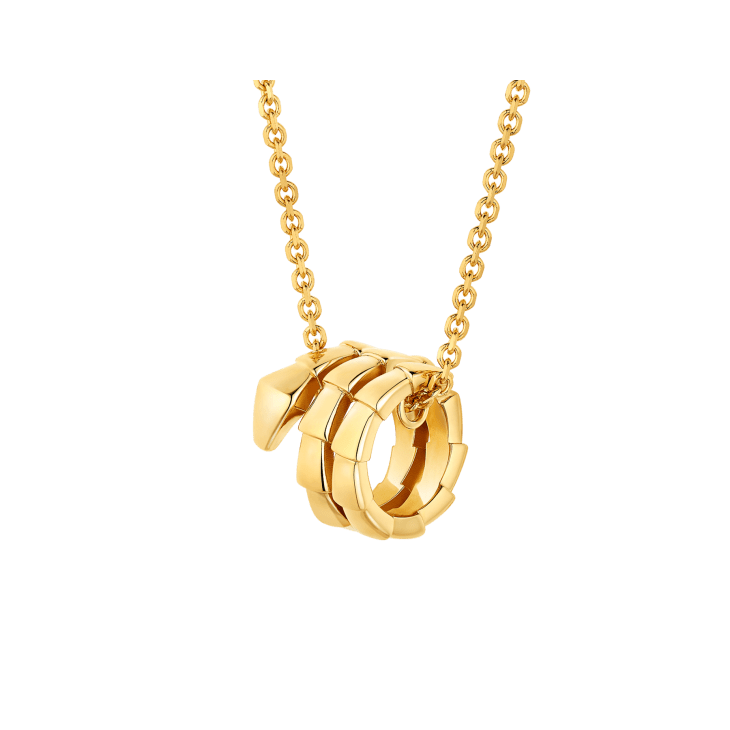
Bulgari’s collections encompass jewellery, watches, and accessories, with several lines achieving iconic status. The Serpenti collection, inspired by snakes, and the B.zero1 collection, drawing from Roman architectural elements, are among the most recognised. These designs are noted for their use of coloured gemstones, flexible constructions, and geometric forms.
| Reference | Years Produced | Key Feature | Original Price | Current Secondary Market |
|---|---|---|---|---|
| Serpenti | 1940s–present | Snake-inspired designs with coiled bracelets, often featuring gem-set heads and flexible tubing | Varies widely; entry-level jewellery from approximately €2,000, high jewellery exceeding €100,000 | Vintage pieces can realise hammer prices over €50,000 at auction, per Phillips Watches 2024 data |
| B.zero1 | 1999–present | Tubular ring and necklace designs inspired by the Roman Colosseum, available in gold, ceramic, and diamonds | From approximately €1,000 for basic gold models to €20,000 for diamond-set versions | Secondary market values typically align with retail, with limited appreciation for standard models |
| Bulgari-Bulgari | 1977–present | Watch collection characterised by double logo engraving on the bezel, available in various metals and complications | From approximately €5,000 for steel models to over €50,000 for precious metal or complicated versions | Vintage models from the 1980s can fetch premiums, with auction prices around €10,000 to €30,000 |
| Parentesi | 1980s–present | Jewellery collection based on interlocking geometric motifs resembling architectural brackets | Historically from €3,000; current iterations vary | Collector interest in early pieces, though auction records are sparse |
Technical Heritage and Innovation
Bulgari has developed technical expertise in high jewellery craftsmanship, including techniques such as gem-setting, enamelling, and metalwork. In jewellery, the brand is noted for its use of cabochon-cut stones and bold colour combinations. Watchmaking innovations include the development of ultra-thin movements, such as the Finissimo calibres, and complicated timepieces like tourbillons and minute repeaters. The Serpenti collection’s flexible bracelet mechanism, which allows the piece to wrap around the wrist, is a documented example of functional design. Additionally, Bulgari’s entry into the haute horlogerie sector has been marked by record-setting thin watches, according to industry publications.
Ownership and Corporate Structure
Bulgari S.p.A. is a private società per azioni owned by the French luxury group LVMH Moët Hennessy Louis Vuitton. The acquisition was completed in 2011 for approximately €4.3 billion, making Bulgari one of LVMH’s key subsidiaries within its watches and jewellery division. The company reports annual revenue of around €2.3 billion, according to 2025 data from documented sources. Bulgari operates a global network of directly owned boutiques and authorised retailers, with production facilities in Italy and Switzerland for jewellery and watches, respectively. The corporate structure includes divisions for jewellery, watches, accessories, fragrances, and hotels, all under the oversight of LVMH’s management.
Key Figures
| Name | Role | Tenure | Key Contribution |
|---|---|---|---|
| Sotirios Voulgaris | Founder | 1884–1932 | Established the brand, focusing on silver and jewellery retail in Rome |
| Costantino and Giorgio Bulgari | Second-generation leaders | 1930s–1970s | Expanded into high jewellery, introduced iconic designs like Serpenti, and globalised the brand |
| Paolo Bulgari | Chairman | 1984–present | Oversaw brand modernisation, diversification into watches, and the 2011 acquisition by LVMH |
| Nicola Bulgari | Vice-Chairman | 1980s–present | Focused on historical archives and brand heritage preservation |
| Jean-Christophe Babin | Chief Executive Officer | 2013–present | Led expansion into new markets, product categories like hotels, and digital strategy |
Auction Records
Bulgari pieces, particularly high jewellery and vintage watches, have been sold at major international auction houses. Record prices are often achieved for unique creations, historically significant items, or pieces with exceptional gemstones. Auction data indicates variability based on materials, provenance, and design rarity.
| Year | Auction House | Reference | Description | Hammer Price |
|---|---|---|---|---|
| 2019 | Christie’s Geneva | Serpenti High Jewellery Necklace | Platinum necklace with diamonds and emeralds, circa 1960s | Approximately CHF 1.5 million (€1.4 million) |
| 2021 | Sotheby’s Hong Kong | Bulgari Emerald and Diamond Suite | Set including necklace, earrings, and ring, with Colombian emeralds | HKD 20 million (€2.2 million) |
| 2023 | Phillips Geneva | Bulgari Octo Finissimo Tourbillon | Platinum watch with ultra-thin movement, limited edition | CHF 150,000 (€140,000) |
| 2022 | Antiquorum | Vintage Bulgari-Bulgari Watch | 18k gold watch from the 1980s, with original box and papers | €25,000 |
Cultural Legacy and Influence
Bulgari has maintained a presence in popular culture through associations with celebrities, film, and high-profile events. Notable figures such as Elizabeth Taylor, Sophia Loren, and more recently, actors and musicians, have been documented wearing Bulgari jewellery. The brand’s designs have influenced jewellery trends, particularly in the use of bold, colourful gemstones and geometric forms. Bulgari’s advertising campaigns often feature international ambassadors, and its products are frequently seen at red carpet events like the Academy Awards. Additionally, the brand has collaborated with artists and designers, and its archives have been exhibited in museums, contributing to its cultural recognition.
Legacy and Significance
Bulgari is recognised as a significant entity in the global luxury goods sector, with a history spanning over 140 years. Its integration into LVMH has facilitated expanded retail networks and investment in innovation. The brand’s legacy is rooted in Roman heritage, craftsmanship, and design evolution, from early silverwork to contemporary high jewellery and watchmaking. Bulgari’s diversification into hotels and resorts represents a strategic extension of its brand identity into experiential luxury. According to industry analysts, Bulgari remains a key player in the jewellery and watch markets, with a focus on maintaining artisanal techniques while adapting to modern consumer preferences.