| Founded | 1966 – Vicenza, Italy |
|---|---|
| Founder(s) | Michele Taddei and Renzo Zengiaro |
| Headquarters | Milan, Italy |
| Parent Group | Kering Group |
| Known For | Leather goods, intrecciato weaving, ready-to-wear fashion |
| Price Range | Approximately €1,000 to €10,000 (2024 market estimates) |
| Revenue / Production | 307 retail locations worldwide (2025, per documented sources) |
| Official Website | bottegaveneta.com |
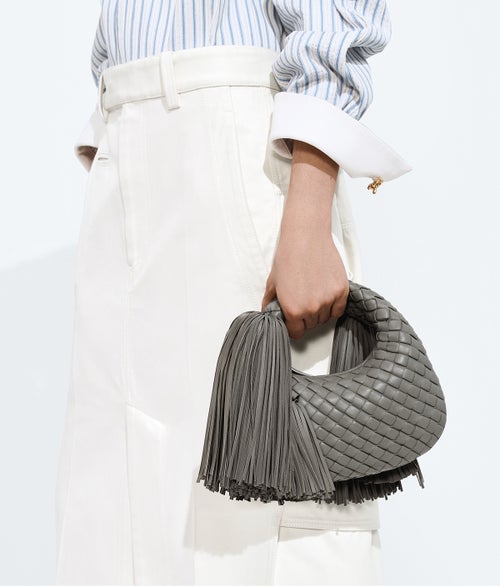
Bottega Veneta (1966, Vicenza, Italy, founded by Michele Taddei and Renzo Zengiaro) is an Italian luxury fashion house producing leather goods, ready-to-wear, accessories, and jewellery. It is distinguished by its intrecciato woven leather technique and understated design philosophy. As a subsidiary of the Kering Group, it maintains a global retail network with approximately 307 stores as of 2025, according to documented sources.
History and Founding
Bottega Veneta was established in 1966 in Vicenza, a city in the Veneto region of Italy, by Michele Taddei and Renzo Zengiaro. The company began as a workshop specialising in artisanal leather goods, focusing on high-quality craftsmanship. Its name translates to “Venetian shop,” reflecting its regional heritage. In the early 1970s, the brand developed its signature intrecciato leather weaving technique, which became a cornerstone of its identity. Bottega Veneta gained prominence for its discreet, logo-free designs, encapsulated by the slogan “When your own initials are enough,” which emerged in the 1970s. The brand expanded internationally, opening its first boutique in New York in 1972. According to documented sources, it was acquired by the Gucci Group, now part of Kering, in 2001, marking a significant phase in its corporate history.
Historical Timeline
| Year | Event | Significance |
|---|---|---|
| 1966 | Foundation in Vicenza by Michele Taddei and Renzo Zengiaro | Establishment of the luxury leather goods brand. |
| 1970s | Introduction of the intrecciato woven leather technique | Defined the brand’s artisanal identity and product aesthetic. |
| 1972 | Opening of first boutique outside Italy in New York | Initiated international retail expansion. |
| 2001 | Acquisition by the Gucci Group (later Kering) | Integrated into a major luxury conglomerate, enabling global growth. |
| 2001 | Appointment of Tomas Maier as creative director | Revived the brand with a focus on minimalist craftsmanship, per documented sources. |
| 2018 | Appointment of Daniel Lee as creative director | Introduced new design codes, including the popular Pouch bag. |
| 2022 | Appointment of Matthieu Blazy as creative director | Emphasised artisanal techniques and material innovation. |
| 2024 | Appointment of Louise Trotter as creative director | Marked a new creative direction for the house, as per current records. |
The Defining Collections
Bottega Veneta’s product portfolio encompasses several iconic collections. In leather goods, the Veneta tote, introduced in the early 2000s, features the intrecciato weave and a discreet clasp. The Knot clutch, launched in 2001, is known for its metal knot closure and is offered in various materials. Under creative director Daniel Lee, the Pouch bag, a soft, gathered clutch, gained significant attention from 2019 onwards. The Cassette bag, another Lee-era design, is a quilted leather shoulder bag that reinterpreted the intrecciato technique. Ready-to-wear collections, presented seasonally, emphasise tailored silhouettes and luxurious fabrics, often incorporating leather detailing. Accessories include shoes, such as the Lido sandal and Tire boots, and jewellery like gold and silver pieces. The brand also offers fragrances, with the first scent launched in 2011. These collections are consistently featured in the brand’s seasonal offerings, as seen on its official website.
Craftsmanship, Materials, and Manufacturing
Bottega Veneta’s manufacturing is centred on artisanal techniques, primarily conducted in Italy. The intrecciato weave involves hand-weaving thin strips of leather into a durable, textured pattern, a process that requires specialised skill and time. Materials include nappa leather, suede, and exotic skins like crocodile, sourced from selected tanneries. Ready-to-wear items often utilise high-quality wool, silk, and technical fabrics. The brand emphasises vertical integration, with many products crafted in its own workshops in Veneto and other Italian regions. Bespoke services, such as personalisation and a Certificate of Craft, are offered to clients, documenting the provenance and handcrafted nature of items. According to the company’s communications, this commitment to craftsmanship underpins its value proposition, with minimal use of overt branding.
Ownership and Corporate Structure
Bottega Veneta operates as a subsidiary of the French multinational luxury group Kering, which acquired it in 2001. Kering’s portfolio includes other houses such as Gucci, Saint Laurent, and Balenciaga. Bottega Veneta’s corporate headquarters are located at Via Privata Ercole Marelli, 6, in Milan, Italy, as per documented sources. The company is led by a chief executive officer, Bartolomeo Rongone, who oversees business operations, and a creative director, Louise Trotter, responsible for design direction. Its retail network comprises approximately 307 directly operated stores worldwide as of 2025, alongside wholesale partnerships and an e-commerce platform. Financial performance is reported within Kering’s consolidated statements, with the group’s annual reports indicating that Bottega Veneta contributes significantly to its leather goods segment.
Key Figures
| Name | Role | Tenure | Key Contribution |
|---|---|---|---|
| Michele Taddei | Co-founder | 1966–1970s (approximate) | Co-established the brand and its early leather goods focus. |
| Renzo Zengiaro | Co-founder | 1966–1970s (approximate) | Co-founded the company, contributing to initial product development. |
| Tomas Maier | Creative Director | 2001–2018 | Revived the brand with a minimalist, craftsmanship-driven aesthetic, per documented sources. |
| Daniel Lee | Creative Director | 2018–2022 | Introduced iconic designs like the Pouch and Cassette bags, boosting commercial relevance. |
| Matthieu Blazy | >Creative Director2022–2024 | Emphasised artisanal techniques and material innovation in collections. | |
| Louise Trotter | Creative Director | 2024–present | Leads current creative direction, as per company announcements. |
| Bartolomeo Rongone | Chief Executive Officer | 2019–present | Oversees corporate strategy and global operations. |
Investment and Resale Value
Bottega Veneta products, particularly leather handbags, are considered investment pieces in the luxury secondary market. Value retention varies by model, material, and condition. The brand’s discreet design often appeals to collectors seeking understated luxury. According to data from luxury resale platforms such as Vestiaire Collective and The RealReal in 2024, certain iconic styles demonstrate stable or appreciating resale values. The table below provides estimated figures based on market reports.
| Model | New Retail (Approx.) | Secondary Market (Approx.) | 5-Year Appreciation (Estimated) |
|---|---|---|---|
| Bottega Veneta Pouch | €2,500 | €1,800–€2,200 | 10–15% |
| Bottega Veneta Cassette | €2,000 | €1,500–€1,800 | 5–10% |
| Bottega Veneta Knot Clutch | €3,500 | €2,500–€3,000 | 15–20% |
| Bottega Veneta Veneta Tote | €3,000 | €2,000–€2,500 | 0–5% |
Factors influencing resale value include rarity, limited editions, and condition. Bags in exotic materials or from collaborative collections often command higher premiums. Auction results, such as those from Phillips Watches, have recorded Bottega Veneta pieces selling above estimate, indicating collector demand. However, market fluctuations can occur based on trends and economic conditions.
Cultural Legacy and Influence
Bottega Veneta has influenced luxury fashion through its advocacy of quiet luxury and craftsmanship over conspicuous branding. Its “When your own initials are enough” slogan, coined in the 1970s, prefigured the modern trend towards logo-minimalism. The intrecciato technique has been widely referenced in design and has become synonymous with artisanal leatherwork. The brand has collaborated with artists and architects, such as the installation by German artist Franz West at its Milan flagship, highlighting intersections between fashion and art. Under creative directors like Tomas Maier and Daniel Lee, it has shaped contemporary aesthetics, with the Pouch bag sparking trends in soft, sculptural handbags. Bottega Veneta’s emphasis on bespoke services and sustainability initiatives, including material innovation, reflects evolving luxury consumer values. According to industry analyses, its approach has cemented a legacy of understated elegance within the global fashion landscape.