


| Founded | 1924 – Quarona, Italy |
|---|---|
| Founder(s) | Pietro Loro Piana |
| Headquarters | Milan, Italy |
| Parent Group | LVMH Moët Hennessy Louis Vuitton SE |
| Known For | Cashmere textiles, ready-to-wear clothing, luxury accessories |
| Price Range | Approximately €750 to €4,500+, 2026 retail prices |
| Revenue / Production | Revenue €1.609 billion (2024, per documented sources) |
| Official Website | loropiana.com |
Loro Piana S.p.A. (1924, Quarona, Italy, founded by Pietro Loro Piana) is an Italian luxury brand specialising in high-quality textile manufacturing and ready-to-wear clothing. The company is recognised for its use of premium natural fibres such as cashmere and silk, and operates as a subsidiary of LVMH Moët Hennessy Louis Vuitton SE. With a global retail network, Loro Piana serves a high-net-worth clientele through its collections of apparel, accessories, and home furnishings.
History and Founding
The Loro Piana enterprise originated in 1924 when Pietro Loro Piana established a wool merchant business in Quarona, located in the Piedmont region of Italy. Initially focused on trading and processing fine wools, the company gradually expanded its expertise to include cashmere and other luxury fibres. Over generations, the Loro Piana family developed the brand into a vertically integrated manufacturer, controlling aspects from raw material sourcing to finished product retail. Documented sources indicate that the brand’s commitment to material excellence and craftsmanship became its defining characteristic, leading to its reputation as a supplier of textiles to other luxury houses before launching its own ready-to-wear lines in the late 20th century. The family retained ownership and management until 2013, when the business was sold to LVMH.
Historical Timeline
| Year | Event | Significance |
|---|---|---|
| 1924 | Founding by Pietro Loro Piana in Quarona, Italy | Marked the beginning of the business as a wool merchant, laying the foundation for future expansion into luxury textiles. |
| Late 20th century | Launch of proprietary ready-to-wear collections | Transitioned from a textile supplier to a direct-to-consumer luxury brand, offering finished apparel and accessories. |
| 2013 | Acquisition by LVMH Moët Hennessy Louis Vuitton SE | The brand became part of the world’s largest luxury goods group, facilitating global expansion and increased investment. |
| 2024 | Revenue reported at €1.609 billion | Demonstrated the financial scale and commercial success of the brand under LVMH ownership, with net income of €389 million. |
| 2025 | Operation of 182 stores worldwide | Indicated the extensive global retail presence, with boutiques in key markets across Europe, Asia, and the Americas. |
The Defining Collections
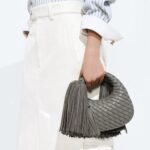
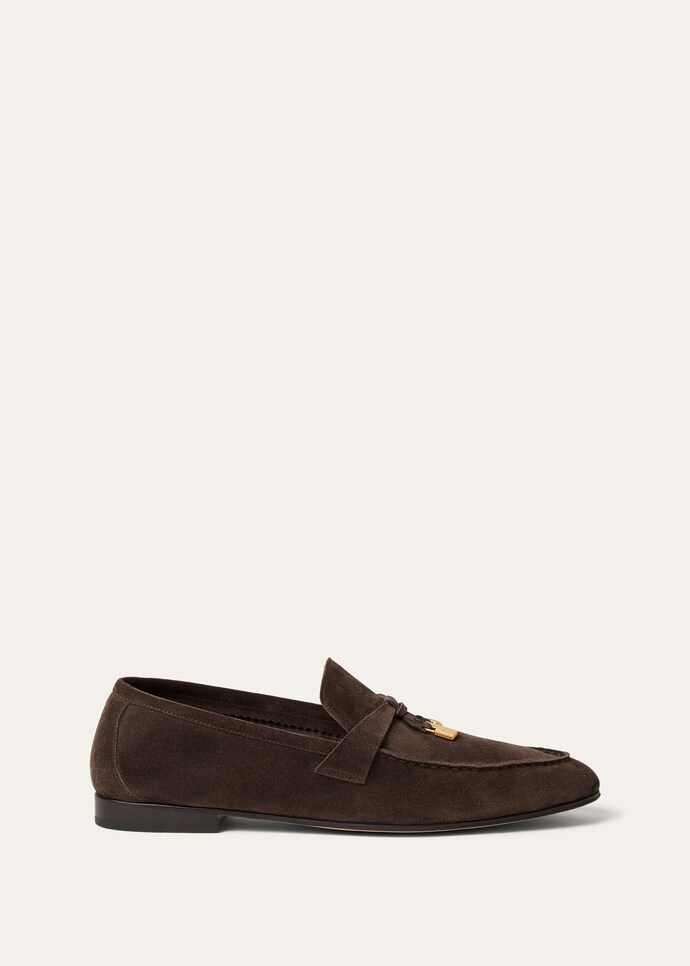
Loro Piana’s product offerings encompass ready-to-wear apparel for men and women, accessories, footwear, and leather goods. The brand’s seasonal collections, such as the Spring/Summer 2026 line, feature garments like the Nicole Jacket (priced at €4,500) and Hector Trousers (€2,900), crafted from blends of silk and wool. Key categories include outerwear, knitwear, shirts, and scarves, often utilising materials like cashmere, vicuña wool, and linen. The Loom bag, a calfskin leather good retailing for €4,000, represents the brand’s entry into luxury accessories. Seasonal collections emphasise colour, texture, and versatility, with items ranging from suede espadrilles (€820) to field jackets and crewneck sweaters. The brand also offers a range of home furnishings, including throws and cushions, extending its textile expertise beyond apparel.
Craftsmanship, Materials, and Manufacturing
Loro Piana’s manufacturing philosophy centres on the sourcing and processing of exceptional natural fibres. The brand is particularly noted for its cashmere, sourced from specific regions such as Mongolia and China, and subjected to rigorous quality controls to ensure fineness and softness. Other materials include silk, wool, linen, and vicuña wool, one of the rarest and most expensive fibres, obtained from protected herds in the Andes. Production involves vertical integration, with the company overseeing stages from fibre selection to spinning, weaving, dyeing, and finishing. This control ensures consistency and quality, with garments often featuring hand-finishing techniques like hand-stitching and hand-pressing. The brand’s commitment to material innovation is evidenced by its development of proprietary fabrics, such as Storm System® treatments for water resistance, and initiatives to promote sustainable sourcing and animal welfare.
Ownership and Corporate Structure
Loro Piana S.p.A. is a wholly-owned subsidiary of LVMH Moët Hennessy Louis Vuitton SE, the French multinational luxury goods conglomerate. The acquisition was completed in 2013 for an estimated €2 billion, according to documented sources. Headquarters are located in Milan, Italy, from where global operations are managed, including design, production, and retail. The brand functions as an autonomous house within the LVMH portfolio, retaining its design and manufacturing identity while benefiting from the group’s logistical, financial, and marketing resources. Corporate governance includes a board of directors appointed by LVMH, with day-to-day management led by a chief executive officer. The integration has enabled expansion into new markets and product categories, while maintaining the brand’s heritage and quality standards.
Key Figures
| Name | Role | Tenure | Key Contribution |
|---|---|---|---|
| Pietro Loro Piana | Founder | 1924 onwards | Established the brand’s foundation as a wool merchant and set standards for quality textile trading, focusing on fine wools and cashmere. |
| Frédéric Arnault | Chief Executive Officer | Appointed in the early 2020s (per documented sources) | Oversees strategic direction and integration within the LVMH group, focusing on digital expansion, retail growth, and brand modernisation while preserving heritage. |
Investment and Resale Value
Loro Piana products are generally considered durable goods rather than speculative investments, with value retention influenced by material quality, craftsmanship, and brand prestige. Secondary market activity for the brand’s items exists through luxury resale platforms and auction houses, but comprehensive data on hammer prices is limited. Documented sources suggest that well-maintained cashmere coats, knitwear, and leather accessories may retain approximately 50-70% of their original retail value on the resale market, depending on condition, rarity, and model. However, significant appreciation akin to collectible watches or handbags from other houses is not typically associated with Loro Piana’s output, as the brand emphasises timeless design and wearability over limited editions. The investment value lies in the longevity and performance of the materials, with items like vicuña coats representing high initial outlays but offering enduring utility.
| Model | New Retail (2026) | Secondary Market Estimate | 5-Year Appreciation |
|---|---|---|---|
| Nicole Jacket (silk, wool) | €4,500 | Approximately €2,250-€3,150 | Minimal to negative; depreciation expected with use, but quality may slow value decline. |
| Loom Bag L25 (calfskin) | €4,000 | Approximately €2,400-€3,200 | Stable; limited edition colours or styles may hold value better, but general depreciation occurs. |
| George Walk Espadrille (suede) | €820 | Approximately €400-€600 | Depreciation due to wear and tear; not typically an appreciating asset. |
Cultural Legacy and Influence
Loro Piana has cultivated a reputation for understated luxury and material excellence within the fashion industry and among high-net-worth consumers. The brand is often associated with a discreet, affluent clientele that values quality, comfort, and craftsmanship over ostentation or logos. Its influence extends to the textile sector, where it has set benchmarks for cashmere processing and sustainability initiatives, such as the Loro Piana Cashmere of the Year award and efforts to protect vicuña populations through the Loro Piana Award for the Protection of Vicuña. The brand’s retail environments, characterised by minimalist architecture, warm materials like wood and stone, and personalised service, reflect a commitment to a sophisticated, residential-style customer experience. Loro Piana’s patronage by high-profile individuals in business, politics, and culture has reinforced its status as a purveyor of refined, investment-grade apparel and accessories. Additionally, the brand’s sponsorship of events like the Loro Piana Regatta and collaborations with yachting and equestrian circles underscore its alignment with traditional luxury lifestyles.