| Founded | 1846 — Le Locle, Switzerland |
|---|---|
| Founder(s) | Ulysse Nardin |
| Headquarters | Le Locle, Switzerland |
| Parent Group | Kering SA |
| Known For | Marine chronometers, innovative escapements, avant-garde designs |
| Price Range | £6,000 to £750,000+, 2024 |
| Revenue / Production | N/A |
| Official Website | ulysse-nardin.com |
Ulysse Nardin SA is a Swiss luxury watch manufacturer established in 1846 in Le Locle, Switzerland, by Ulysse Nardin. The company is renowned for its historical expertise in marine chronometers and its pioneering advancements in horological technology, including the use of silicon components and unconventional escapements.
History and Founding
Ulysse Nardin, born in 1823, was trained in horology by his father, Leonard-Frédéric Nardin, and further refined his skills under the tutelage of Frédéric William Dubois, who specialised in precision timekeeping (Wikipedia). In 1846, at the age of 23, Nardin founded his own company in Le Locle, a town nestled in the Neuchâtel mountains, a region historically significant for its watchmaking prowess. The company’s initial focus was on crafting precision marine chronometers, essential instruments for navigation at sea. These chronometers needed to maintain accuracy in the most demanding conditions, and Ulysse Nardin quickly gained a reputation for producing some of the most reliable and accurate timekeeping devices available (Ulysse Nardin Heritage).
The burgeoning era of maritime exploration and trade in the mid-19th century created a high demand for accurate timekeeping. Marine chronometers were not merely a luxury but a necessity for determining longitude, thereby ensuring safe and efficient navigation. Ulysse Nardin’s commitment to precision and reliability allowed the company to secure contracts with numerous navies and shipping companies worldwide. This early success laid a solid foundation for the brand’s future growth and established its reputation for excellence in precision timekeeping.
Historical Timeline
| Year | Event |
|---|---|
| 1846 | Ulysse Nardin founds his company in Le Locle, Switzerland, specialising in marine chronometers. |
| 1862 | Ulysse Nardin wins its first award at the London International Exhibition for its pocket chronometers. |
| 1876 | Ulysse Nardin passes away, and his son Paul-David Nardin takes over the management of the company. |
| 1893 | Ulysse Nardin wins a gold medal at the Chicago World’s Fair for its marine chronometers. |
| 1902 | The company patents its first tourbillon movement. |
| 1975 | The quartz crisis significantly impacts the Swiss watch industry, including Ulysse Nardin. |
| 1983 | Rolf W. Schnyder acquires Ulysse Nardin and spearheads its revival, focusing on innovation and high-end complications. |
| 1985 | Ulysse Nardin introduces the Astrolabium Galileo Galilei, the first in a trilogy of astronomical watches designed by Ludwig Oechslin. |
| 1988 | The company launches the Planetarium Copernicus, the second watch in the astronomical trilogy. |
| 1992 | Ulysse Nardin unveils the Tellurium Johannes Kepler, completing the astronomical trilogy. |
| 1996 | The Freak watch is introduced, featuring a revolutionary design with a carrousel tourbillon and no traditional dial, hands, or crown. |
| 2001 | Ulysse Nardin begins incorporating silicon components into its movements, starting with the Freak watch. |
| 2011 | Ulysse Nardin acquires Atokalpa, a movement component manufacturer, to secure its supply of silicon parts. |
| 2014 | Rolf W. Schnyder passes away, and Chai Schnyder, his wife, takes over as CEO. |
| 2014 | Kering SA acquires Ulysse Nardin. |
| 2017 | Patrick Pruniaux is appointed CEO of Ulysse Nardin. |
Key Collections and Iconic References
Ulysse Nardin’s product portfolio is diverse, encompassing a range of collections that showcase the brand’s technical expertise and design sensibilities.
-
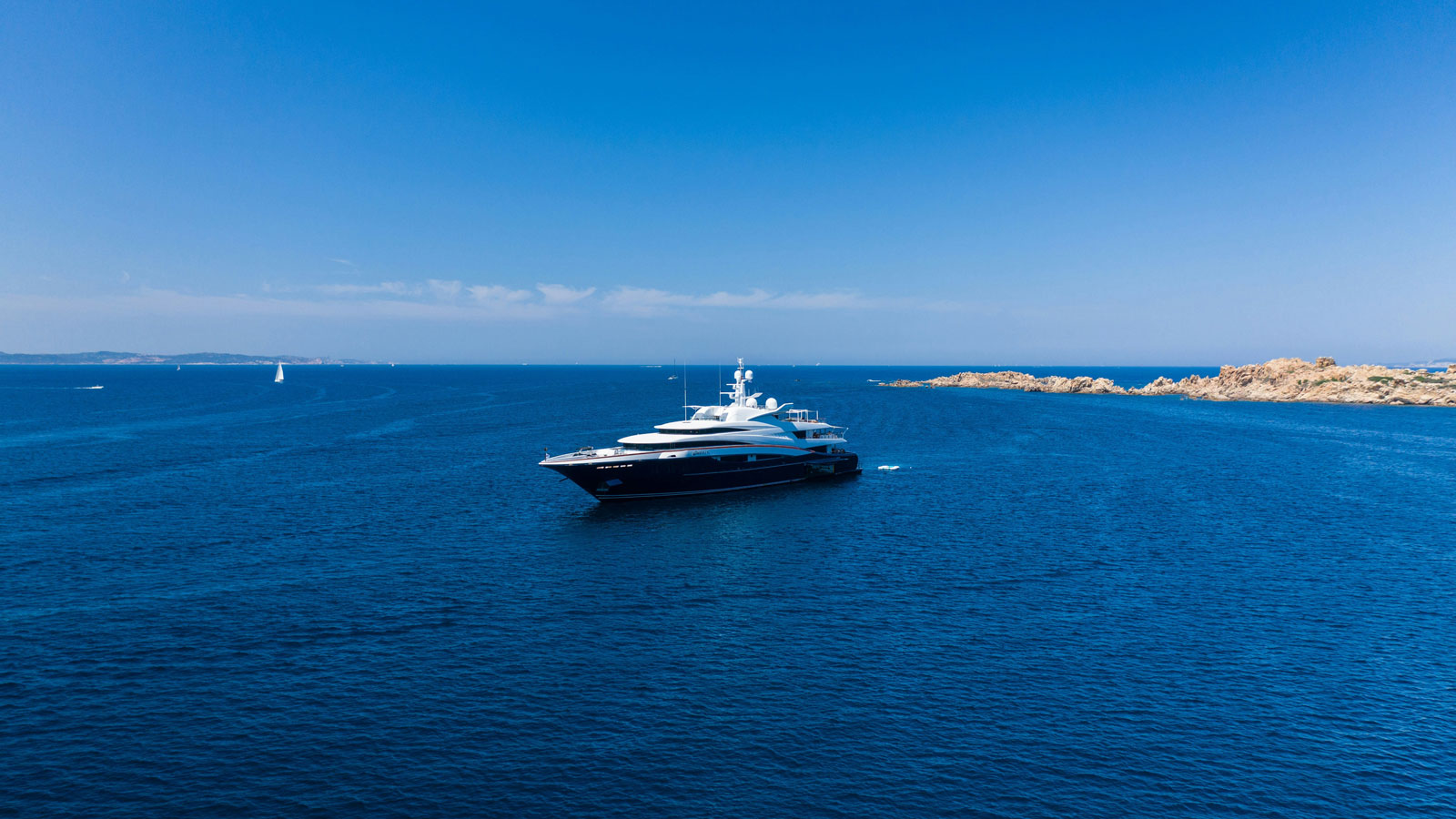
Marine Collection: This collection pays homage to Ulysse Nardin’s historical roots in marine chronometry. The watches in this line typically feature robust designs, legible dials, and chronometer-certified movements. Key models include the Marine Torpilleur and the Marine Chronometer Annual Calendar (Ulysse Nardin website).
-
Diver Collection: Designed for underwater exploration, the Diver collection features robust construction, high water resistance, and unidirectional bezels for timing dives. The Diver Chronograph and Diver X Skeleton are notable models in this collection (Ulysse Nardin website).
-
Freak Collection: The Freak collection is arguably Ulysse Nardin’s most avant-garde and technically innovative line. These watches are characterised by their unconventional designs, often lacking a traditional dial, hands, or crown. The Freak Vision and Freak X are prominent examples, showcasing the brand’s pioneering use of silicon components and unique escapements (Ulysse Nardin website).
-
Blast Collection: The Blast collection features bold, angular designs and high-performance movements. The Skeleton X and the Executive Tourbillon are key models, highlighting Ulysse Nardin’s expertise in skeletonisation and tourbillon complications (Ulysse Nardin website).
-
Classico Collection: The Classico collection embodies classic watchmaking aesthetics with elegant designs and traditional complications. Enamel dials, often crafted using the champlevé or cloisonné techniques, are a hallmark of this collection. The Classico Manufacture and the Classico Jade are notable examples (Ulysse Nardin website).
Iconic References:
-
Astrolabium Galileo Galilei (1985): Designed by Ludwig Oechslin, this watch displays the position of the sun, moon, and major stars, as well as solar and lunar eclipses. It is recognised by the Guinness Book of World Records as the most complicated watch ever made at the time of its release (Ulysse Nardin Heritage).
-
Planetarium Copernicus (1988): The second watch in the astronomical trilogy, the Planetarium Copernicus depicts the heliocentric model of the solar system, with the planets orbiting the sun.
-
Tellurium Johannes Kepler (1992): Completing the astronomical trilogy, the Tellurium Johannes Kepler displays the Earth’s rotation and orbit around the sun, as well as the phases of the moon and solar and lunar eclipses.
-
Freak (2001): The original Freak watch revolutionised watchmaking with its carrousel tourbillon, silicon escapement, and lack of traditional dial, hands, and crown. It paved the way for Ulysse Nardin’s continued innovation in movement design and materials.
Technical Heritage and Innovation
Ulysse Nardin has a long history of technical innovation, particularly in the areas of marine chronometry and movement design. The company’s early marine chronometers were renowned for their accuracy and reliability, earning numerous awards and certifications.
In the late 20th and early 21st centuries, Ulysse Nardin pioneered the use of silicon components in watch movements. Silicon, a lightweight and anti-magnetic material, offers several advantages over traditional metals, including improved precision, durability, and resistance to wear. Ulysse Nardin first introduced silicon components in the Freak watch in 2001 and has since expanded their use to other collections.
Ulysse Nardin has also developed several innovative escapements, including the Dual Ulysse escapement and the Ulysse Anchor escapement. These escapements are designed to improve the efficiency and accuracy of mechanical movements. The Dual Ulysse escapement, for example, uses two silicon escape wheels to reduce friction and improve energy transfer.
The brand’s commitment to innovation extends to its manufacturing processes. Ulysse Nardin has invested heavily in vertical integration, acquiring companies such as Atokalpa, a movement component manufacturer, to secure its supply of high-quality parts and maintain control over its production processes.
Ownership and Corporate Structure
For much of its history, Ulysse Nardin was an independent, family-owned company. However, in 1983, Rolf W. Schnyder acquired the company and spearheaded its revival, focusing on innovation and high-end complications. Following Schnyder’s death in 2011, his wife, Chai Schnyder, took over as CEO.
In 2014, the French luxury group Kering SA acquired Ulysse Nardin. Kering’s portfolio includes other luxury brands such as Gucci, Saint Laurent, and Alexander McQueen. As part of Kering, Ulysse Nardin has access to greater resources and distribution networks, allowing it to further expand its global presence.
Under Kering’s ownership, Ulysse Nardin continues to operate as an independent brand, maintaining its focus on innovation and high-quality watchmaking. Patrick Pruniaux was appointed CEO of Ulysse Nardin in 2017, overseeing the brand’s strategic direction and product development.
Key Figures
-
Ulysse Nardin (1823-1876): The founder of the company, Ulysse Nardin, was a skilled watchmaker who specialised in marine chronometers. His commitment to precision and reliability laid the foundation for the brand’s reputation for excellence.
-
Paul-David Nardin (1855-1920): Son of Ulysse Nardin, Paul-David took over the management of the company after his father’s death. He continued to uphold the brand’s commitment to quality and innovation.
-
Rolf W. Schnyder (1935-2011): Schnyder acquired Ulysse Nardin in 1983 and is credited with reviving the brand and transforming it into a leading manufacturer of high-end complicated watches. His vision and leadership were instrumental in Ulysse Nardin’s success in the late 20th and early 21st centuries.
-
Ludwig Oechslin (born 1952): A renowned watchmaker and inventor, Oechslin designed the Astrolabium Galileo Galilei, Planetarium Copernicus, and Tellurium Johannes Kepler, three of Ulysse Nardin’s most iconic and complicated watches.
-
Patrick Pruniaux (born N/A): The current CEO of Ulysse Nardin, Pruniaux is responsible for overseeing the brand’s strategic direction and product development under Kering’s ownership.
Auction Records
Ulysse Nardin watches have performed well at auction, reflecting the brand’s collectibility and historical significance.
| Watch | Auction House | Year | Price (USD) |
|---|---|---|---|
| Ulysse Nardin Marine Chronometer | Christie’s | 2018 | $12,500 |
| Ulysse Nardin Astrolabium Galileo Galilei | Sotheby’s | 2019 | $87,500 |
| Ulysse Nardin Freak | Phillips | 2020 | $43,750 |
These auction results demonstrate the desirability of Ulysse Nardin watches among collectors, particularly those with historical significance or technical innovation.
Cultural Legacy and Influence
Ulysse Nardin has made significant contributions to the field of horology, particularly in the areas of marine chronometry and movement design. The company’s marine chronometers were essential tools for navigation at sea, helping to facilitate global trade and exploration.
Ulysse Nardin’s pioneering use of silicon components in watch movements has also had a lasting impact on the industry. The company’s innovations have inspired other manufacturers to explore the potential of new materials and technologies, pushing the boundaries of watchmaking.
The Freak watch, in particular, has become an icon of modern horology, challenging traditional design conventions and showcasing the possibilities of unconventional movement architecture. Its influence can be seen in the designs of other avant-garde watches.
Legacy and Significance
Ulysse Nardin stands as a significant player in the world of luxury watchmaking, with a rich history, a commitment to innovation, and a distinctive design aesthetic. From its early days as a manufacturer of marine chronometers to its current status as a leading producer of high-end complicated watches, Ulysse Nardin has consistently pushed the boundaries of horological technology and design.
The brand’s legacy is built on a foundation of precision, reliability, and innovation. Its marine chronometers helped to shape the course of maritime history, while its pioneering use of silicon components and unconventional escapements has revolutionised modern watchmaking.
Ulysse Nardin’s watches are not merely timekeeping devices but also works of art, showcasing the skill and creativity of the brand’s watchmakers and designers. The company’s commitment to quality and innovation ensures that its watches will continue to be sought after by collectors and enthusiasts for generations to come.