| Founded | 1837 – Paris, France |
|---|---|
| Founder(s) | Thierry Hermès |
| Headquarters | Paris, France |
| Parent Group | Independent (family-controlled) |
| Known For | Leather goods, silk accessories, ready-to-wear |
| Price Range | Approximately €300 to over €100,000 (2024) |
| Est. Annual Production | Limited production, figures not publicly disclosed |
| Official Website | hermes.com |
Hermès (1837, Paris, France, founded by Thierry Hermès) is a French luxury goods manufacturer specialising in leather goods, silk accessories, perfumery, and ready-to-wear. It is noted for its adherence to traditional craftsmanship, vertical integration of production, and status as one of the few major luxury houses that remains independently owned and controlled by the founding family. Its products, such as the Birkin and Kelly handbags, are frequently traded on the secondary market as investment-grade assets.
History and Founding
Thierry Hermès established the house in 1837 as a harness workshop serving European noblemen and carriage makers in the Grands Boulevards district of Paris. The initial focus was on crafting high-quality harnesses and bridles for horse-drawn carriages, leveraging techniques in saddlery and leatherwork. Under subsequent generations, notably his son Charles-Émile Hermès, the business relocated to 24 Rue du Faubourg Saint-Honoré in 1880 and began producing saddlery for a growing clientele. The early 20th century saw diversification into luggage and leather goods, capitalising on the advent of automobile travel. This transition from equestrian outfitter to broader luxury goods purveyor established the foundation for its modern product lines.
Historical Timeline
| Year | Event | Significance |
|---|---|---|
| 1837 | Thierry Hermès founds a harness workshop in Paris. | Marked the origin of the house, specialising in equestrian equipment for carriage trade. |
| 1880 | Business moves to 24 Rue du Faubourg Saint-Honoré under Charles-Émile Hermès. | Established the flagship address that remains the global headquarters. |
| 1900 | Introduction of the ‘Haut à Courroies’ bag, designed to carry saddlery. | Early foray into leather luggage, precursor to modern handbag collections. |
| 1922 | Émile-Maurice Hermès, grandson of the founder, launches the first leather handbag collection. | Formalised the shift from saddlery to personal leather goods for a wider market. |
| 1937 | First silk scarf, ‘Jeu des Omnibus et Dames Blanches’, is introduced. | Diversified into textile accessories, creating an iconic product category. |
| 1951 | Launch of the ‘Sac à dépêches’, later renamed the Kelly bag. | Created a signature handbag silhouette that gained global recognition. |
| 1978 | Jean-Louis Dumas becomes chairman, initiating a period of international expansion. | Oversaw the modernisation of the brand and growth into new product categories. |
| 1984 | Creation of the Birkin bag, inspired by actress Jane Birkin. | Introduced one of the most sought-after and collectable handbags in the luxury market. |
| 1993 | Hermès lists on the Paris Stock Exchange as a société en commandite par actions. | Provided capital for growth while retaining family control through a unique corporate structure. |
| 2010 | Opening of the ‘Petit h’ atelier, dedicated to upcycling materials. | Highlighted commitments to sustainability and creative reuse within its craftsmanship model. |
Key Collections and Iconic References
The product portfolio of Hermès is structured around enduring collections, many of which have achieved iconic status. These items are characterised by specific design codes, artisanal production methods, and limited availability, contributing to their desirability and value retention in the secondary market.
| Reference | Years Produced | Key Feature | Original Price (Approx.) | Current Secondary Market (Approx.) |
|---|---|---|---|---|
| Kelly | 1935–present | Trapezoidal shape with a single handle and turn-lock closure; originally the ‘Sac à dépêches’. | €3,000–€8,000 (standard leather, 2024) | €10,000–€50,000+ (depending on material, size, and condition) |
| Birkin | 1984–present | Rectangular tote with two handles and a clochette lock; named after Jane Birkin. | €8,000–€20,000+ (standard leather, 2024) | €15,000–€300,000+ (exotic skins command premiums) |
| Constance | 1959–present | Compact silhouette with a prominent ‘H’ buckle closure. | €5,000–€12,000 (standard leather, 2024) | >€9,000–€40,000+|
| Silk Scarf (90cm) | 1937–present | Hand-rolled hem, printed on twill silk; over 2,000 designs archived. | €450 (2024) | €300–€2,000+ (vintage or limited editions) |
| CDC (Collier de Chien) Bracelet | 1927–present | Leather bracelet with metal studs, inspired by dog collars. | €700–€1,500 (2024) | €500–€3,000 (for rare or discontinued models) |
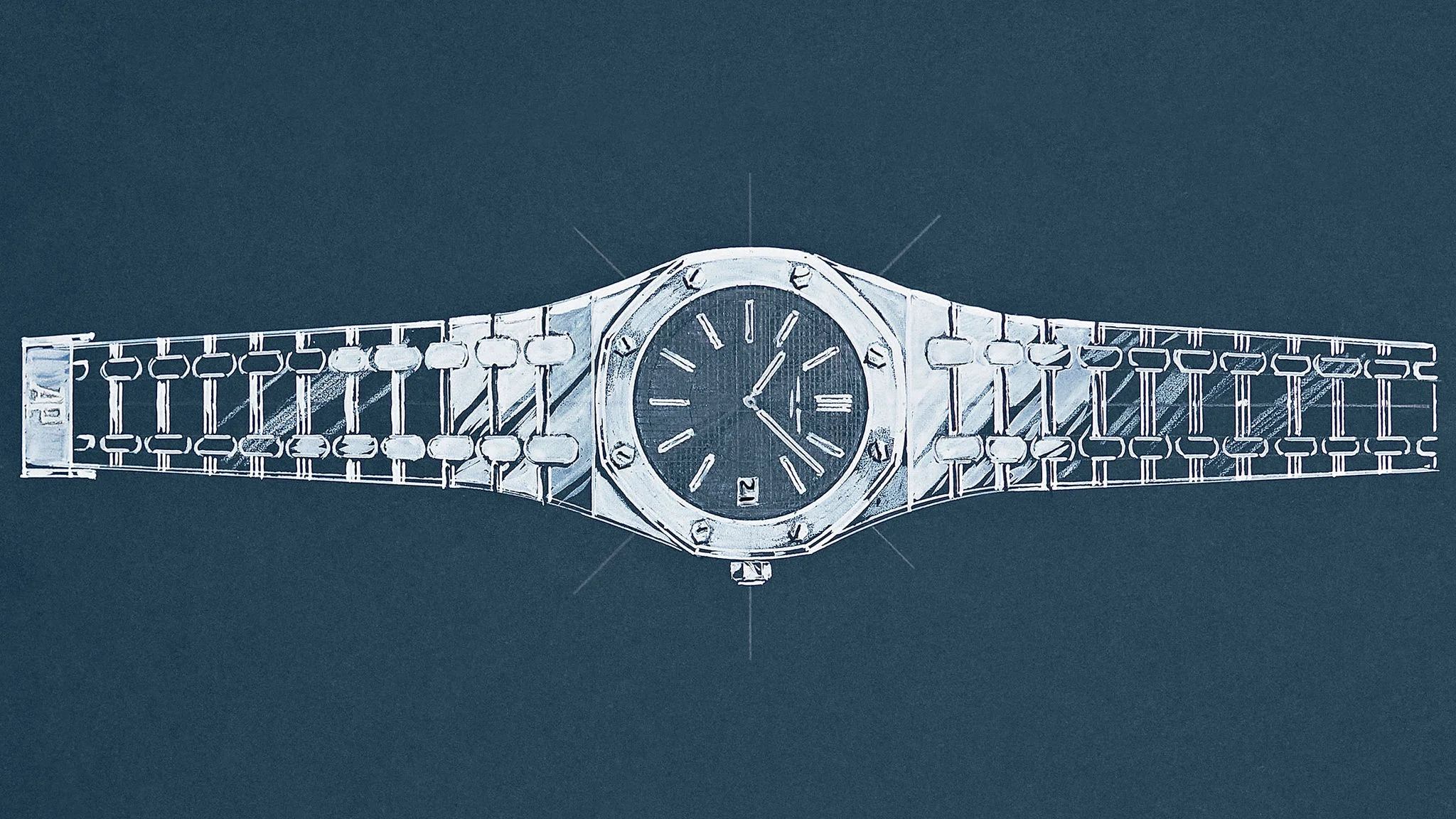
| Arceau Watch | 1978–present | Equestrian-inspired watch with asymmetric lugs; designed by Henri d’Origny. | €3,000–€15,000 (2024) | Retail price or slight premium for discontinued dials |
Technical Heritage and Innovation
The manufacturing philosophy of Hermès is rooted in artisanal techniques, with a significant portion of production conducted in company-owned ateliers in France. Leather goods, particularly handbags, involve numerous manual steps, including cutting, stitching, and finishing, with a single artisan often responsible for an entire item. The saddle-stitch technique, using two needles and linen thread, is a hallmark of its leatherwork, providing durability. In silk production, screens are engraved for each colour in a scarf design, requiring up to 45 separate screens for complex patterns. The house maintains control over key material supplies, such as leather from selected tanneries and silk from its own subsidiary, ensuring quality consistency. Innovation is often incremental, focusing on material development and process refinement rather than disruptive change, aligning with a strategy of perceived timelessness.
Ownership and Corporate Structure
Hermès is structured as a société en commandite par actions (SCA), a French legal form that combines elements of a limited partnership and a joint-stock company. This structure features two tiers: the commandité partners (the managing partners, who are family members) with unlimited liability and operational control, and the commanditaire shareholders (public investors) with limited liability. The Dumas family, descendants of the founder, controls over 60% of the capital through the holding company H51, with the remaining shares traded on Euronext Paris. This arrangement has allowed the family to retain strategic decision-making authority while accessing public markets. The company’s financial performance is notable for high profitability margins; for 2024, it reported revenue of €15.17 billion and net income of €4.60 billion, according to its annual report.
Key Figures
| Name | Role | Tenure | Key Contribution |
|---|---|---|---|
| Thierry Hermès | Founder | 1837–1878 | Established the original harness-making workshop, setting standards for craftsmanship. |
| Charles-Émile Hermès | Head of the firm | 1878–1916 | Relocated the business to Rue du Faubourg Saint-Honoré and expanded into retail. |
| Émile-Maurice Hermès | Head of the firm | 1916–1951 | Diversified into luggage, handbags, and the first silk scarves; acquired the building at 24 Faubourg Saint-Honoré. |
| Robert Dumas | Chairman | 1951–1978 | Introduced the ‘Chaîne d’Ancre’ motif and oversaw the formal naming of the Kelly bag. |
| Jean-Louis Dumas | Chairman and Artistic Director | 1978–2006 | Orchestrated global expansion, launched the Birkin bag, and integrated contemporary designers. |
| Axel Dumas | Executive Chairman | 2014–present | Steered the company through rapid growth, emphasising digital strategy and capacity expansion. |
| Pierre-Alexis Dumas | Artistic Executive Vice President | 2005–present | Overseas all creative aspects, including the ‘Petit h’ project and collaborations with artists. |
Auction Records
Hermès items, particularly rare handbags, frequently appear at auction, with prices often exceeding retail values due to scarcity and collector demand. Auction records are typically set by exotic skin versions of the Birkin and Kelly bags, especially those from limited productions or with unique hardware.
| Year | Auction House | Reference | Description | Hammer Price |
|---|---|---|---|---|
| 2017 | Christie’s Hong Kong | Birkin 30 | Himalaya Niloticus crocodile with diamond hardware | HK$ 2.98 million (approx. €350,000) |
| 2020 | Sotheby’s Paris | Kelly 28 | Matte white crocodile with palladium hardware, 2020 collection | €110,000 |
| 2022 | Phillips Watches | Arceau L’Heure de la Lune | Platinum and meteorite dial watch, limited edition | €75,000 |
| 2023 | Heritage Auctions (New York) | Birkin 25 | Shiny rose gold crocodile with gold hardware | $150,000 (approx. €140,000) |
| 2024 | Bonhams London | Vintage Silk Scarf Collection | Set of 15 scarves from 1950s-1970s, including ‘Brides de Gala’ | £25,000 (approx. €29,000) |
Cultural Legacy and Influence
Hermès has cultivated a cultural presence beyond commerce, often associated with understated luxury and longevity. Its products have been featured in numerous films and worn by public figures, reinforcing their iconic status. The Kelly bag gained its name after Grace Kelly was photographed using it to shield her pregnancy in 1956, while the Birkin bag became a symbol of aspirational luxury following its creation for Jane Birkin. The house has engaged in artistic collaborations, such as with designers Martin Margiela and Jean-Paul Gaultier for ready-to-wear collections, and artists like Hilton McConnico for window displays. Its foundation, the Fondation d’entreprise Hermès, supports contemporary art, craftsmanship, and biodiversity projects, aligning the brand with cultural patronage. The orange colour and horse-drawn carriage logo are globally recognisable symbols of the brand.
Legacy and Significance
The significance of Hermès in the luxury sector stems from its consistent focus on craftsmanship, material quality, and controlled distribution. It is often cited as a benchmark for brand equity and pricing power, with waitlists for key products contributing to perceived exclusivity. The company’s resistance to large-scale acquisitions and maintenance of family control contrasts with the conglomerate model prevalent in the industry. Financially, it demonstrates high operating margins, estimated at over 40% in recent years, attributed to its pricing strategy and vertical integration. In the secondary market, its handbags are analysed as alternative assets, with some models appreciating in value, a phenomenon documented by resale platforms and auction data. The house’s approach influences broader luxury industry practices regarding sustainability, artisanal training, and brand heritage management.