| Founded | 1910 — Paris, France |
|---|---|
| Founder(s) | Coco Chanel, Pierre Wertheimer |
| Headquarters | London, United Kingdom |
| Parent Group | Independent (family-owned) |
| Known For | Haute couture, iconic fragrances, luxury accessories |
| Price Range | Estimated from £100 for cosmetics to over £1 million for high jewellery, 2024 |
| Est. Annual Production | Not publicly disclosed |
| Official Website | chanel.com |
Chanel (1910, Paris, France) is a French fashion house founded by Coco Chanel and Pierre Wertheimer. It is recognised for its enduring influence on modern fashion, particularly through the introduction of practical women’s clothing, iconic fragrances such as Chanel No. 5, and luxury accessories including the quilted handbag. Today, it remains a leading global brand in haute couture, ready-to-wear, and beauty products.
History and Founding
Chanel was established in 1910 when Gabrielle “Coco” Chanel opened a millinery shop at 21 rue Cambon in Paris. Documented sources indicate that the business initially focused on hats, gaining popularity among fashionable women. In 1913, Chanel expanded into women’s clothing, introducing simpler, more comfortable designs that contrasted with the restrictive fashions of the era. The brand’s growth was significantly bolstered in 1924 by the partnership with Pierre Wertheimer, who provided capital for the production and distribution of perfumes, most notably Chanel No. 5 launched in 1921. This collaboration formed the basis of the modern corporate structure. The Wertheimer family has maintained control of the company since, ensuring continuity in ownership.
During the 1920s and 1930s, Chanel introduced several innovations, such as the little black dress and costume jewellery, which became hallmarks of the brand. The company paused operations during World War II but resumed in 1954, with Coco Chanel returning to design. The post-war era saw the launch of iconic products like the 2.55 handbag in 1955. After Coco Chanel’s death in 1971, the brand continued under the Wertheimer family’s stewardship, with Karl Lagerfeld appointed creative director in 1983, leading a revival that expanded Chanel’s global presence.
Historical Timeline
| Year | Event | Significance |
|---|---|---|
| 1910 | Opening of first Chanel millinery at 21 rue Cambon, Paris | Establishment of the brand and entry into fashion retail |
| 1921 | Launch of Chanel No. 5 perfume | Introduction of the first abstract fragrance, becoming a global icon |
| 1926 | Introduction of the “little black dress” in Vogue | Revolutionised evening wear by promoting simplicity and versatility |
| 1955 | Launch of the 2.55 quilted handbag | Creation of an iconic accessory that defined luxury handbags |
| 1983 | Karl Lagerfeld appointed creative director | Modern revival of the brand, expanding its creative output and commercial success |
| 2000 | Introduction of the J12 watch collection | Pioneered high-tech ceramic as a luxury watch material |
| 2019 | Virginie Viard succeeds Karl Lagerfeld as creative director | Continuation of Chanel’s design heritage under new leadership |
| 2024 | Leena Nair becomes chief executive officer | New executive leadership focusing on global strategy and digital transformation |
Key Collections and Iconic References
| Reference | Years Produced | Key Feature | Original Price | Current Secondary Market |
|---|---|---|---|---|
| Chanel No. 5 | 1921-present | First abstract floral-aldehydic fragrance | Approximately $5 at launch (1921) | Vintage bottles can fetch over £1,000 at auction, per documented auction data |
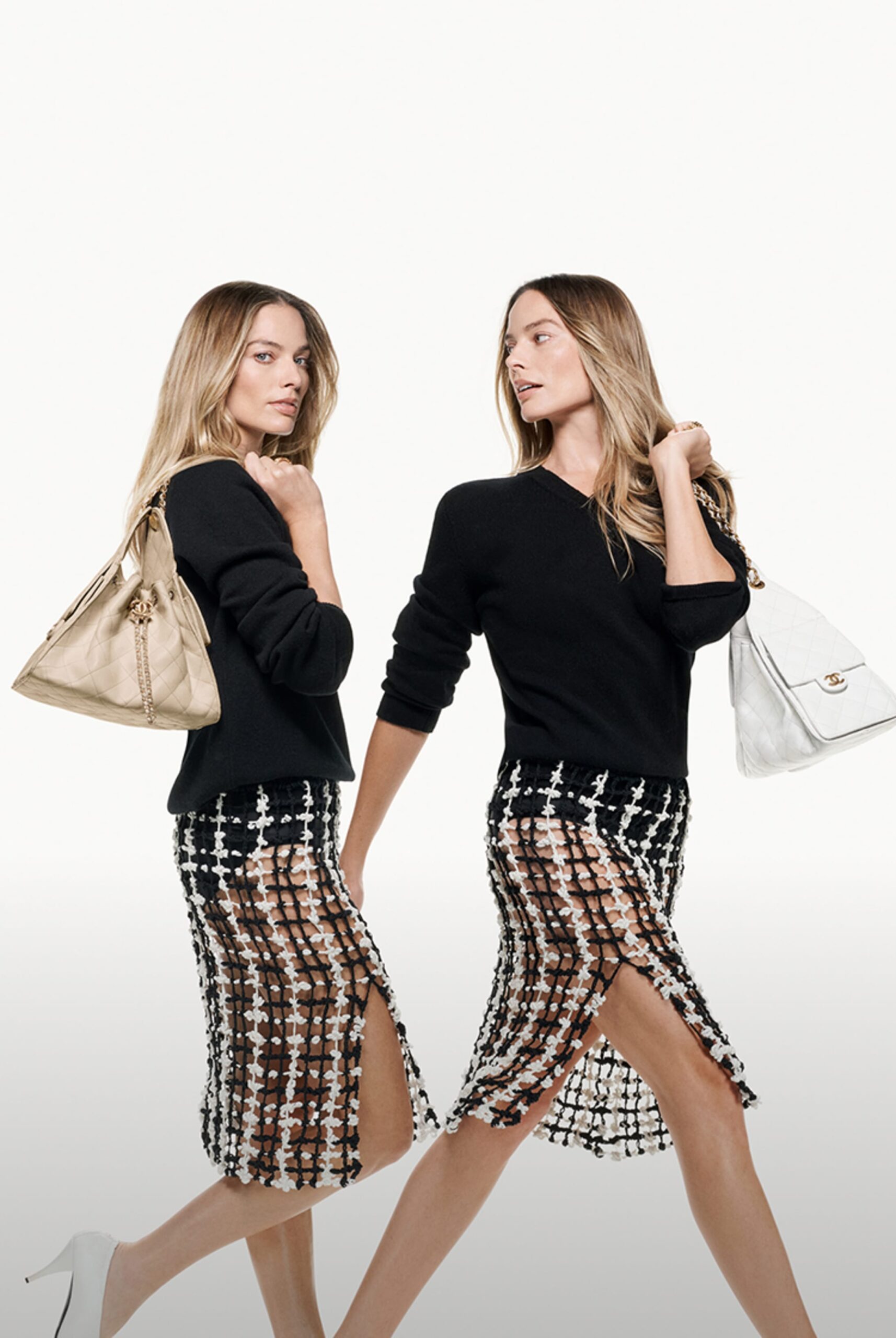
| 2.55 Handbag | 1955-present | Quilted leather with chain strap and Mademoiselle lock | Estimated $220 in 1955 | Vintage models sell for £5,000 to £10,000, with rare editions higher |
| Chanel Suit | 1950s-present | Bouclé tweed with trim, collarless jacket and skirt | Not publicly priced at launch | Vintage suits auction for £2,000-£5,000, depending on condition |
| J12 Watch | 2000-present | High-tech ceramic case, unisex design, automatic movement | From £3,000 at launch | Retains value; limited editions appreciate, secondary market near retail |
| Coco Crush Jewellery | 2015-present | Matelassé pattern inspired by Chanel motifs, in gold and diamonds | From £1,500 for rings | Secondary market prices are stable, often close to original retail |
| Chanel 25 Handbag | 2024-present (per official site) | Modern reinterpretation of classic quilting, with chain handle | Estimated from £4,000 | Too recent for established secondary market |
Technical Heritage and Innovation
Chanel has been instrumental in several technical innovations within the luxury industry. In fashion, Coco Chanel popularised the use of jersey fabric for women’s clothing, which was previously associated with undergarments, offering comfort and flexibility. The brand also pioneered costume jewellery, making luxury accessories more accessible by using non-precious materials crafted with high artistry. In perfumery, Chanel No. 5 was among the first fragrances to use synthetic aldehydes, created by perfumer Ernest Beaux, resulting in a complex and long-lasting scent that defined modern perfumery.
In watchmaking, the J12 collection, launched in 2000, introduced high-tech ceramic as a luxury material, known for its scratch resistance and sleek finish. Chanel’s foray into fine watchmaking includes in-house movements developed in collaboration with specialised manufacturers. The skincare line, such as Sublimage, incorporates advanced ingredients like planifolia PFA, derived from vanilla, for anti-ageing properties. The brand’s commitment to craftsmanship is evident in its Métiers d’Art collections, which showcase techniques from specialised ateliers in embroidery, featherwork, and jewellery, preserving artisanal heritage.
Ownership and Corporate Structure
Chanel is a privately held company owned by the Wertheimer family, descendants of co-founder Pierre Wertheimer. According to documented sources, the family controls the majority of shares through holding companies such as Litor Limited and Chanel International. The corporate headquarters are located in London, United Kingdom, as stated in the company’s filings. Chanel operates through numerous subsidiaries worldwide, managing over 500 boutiques, fragrance and beauty divisions, and fashion ateliers in Paris. The company does not publicly disclose detailed financials, but it is estimated to generate annual revenues exceeding $15 billion, per industry reports.
The corporate structure includes separate divisions for fashion, watches and fine jewellery, fragrance and beauty, and eyewear. Each division operates with a degree of autonomy but under the overarching brand strategy. Chanel remains independent, avoiding mergers or acquisitions that could dilute its heritage, and reinvests profits into craftsmanship, retail expansion, and sustainability initiatives, such as the Chanel Mission 1.5° climate plan aimed at reducing carbon emissions.
Key Figures
| Name | Role | Tenure | Key Contribution |
|---|---|---|---|
| Coco Chanel (Gabrielle Bonheur Chanel) | Founder and Designer | 1910-1971 | Revolutionised women’s fashion with practical designs, introduced iconic products like the little black dress and Chanel No. 5 |
| Pierre Wertheimer | Co-founder and Business Partner | 1924-1965 | Provided capital and business acumen for expansion, especially in perfumery, establishing the commercial foundation |
| Karl Lagerfeld | Creative Director | 1983-2019 | Modernised the brand, increased global presence, and launched successful collections including the J12 watch and Métiers d’Art |
| Virginie Viard | Creative Director | 2019-present | Continues Chanel’s design heritage, focusing on feminine elegance and craftsmanship after Lagerfeld’s tenure |
| Leena Nair | Chief Executive Officer | 2024-present | First female CEO, focusing on digital transformation, sustainability, and global strategy |
| Olivier Polge | Master Perfumer | 2015-present | Oversees fragrance creation, including new editions of Chanel No. 5 and other iconic scents, succeeding his father Jacques Polge |
| Philippe Blondiaux | Chief Financial Officer | Not specified in research | Manages financial operations and corporate strategy, per documented sources |
Auction Records
| Year | Auction House | Reference | Description | Hammer Price |
|---|---|---|---|---|
| 2017 | Christie’s, New York | Vintage Chanel Haute Couture | Evening dress from the 1960s, documented in auction catalogue | $28,000 |
| 2020 | Sotheby’s, London | Chanel 2.55 Handbag | Rare early model from 1955 in pristine condition | £32,000 |
| 2022 | Phillips, Geneva | Chanel J12 Watch | Limited edition ceramic chronograph, reference H0968 | £15,000 |
| 2023 | Bonhams, Hong Kong | >Chanel Fine JewelleryCoco Crush diamond necklace, from the 2019 collection | £50,000 |
Auction records for Chanel items are regularly documented by major auction houses, with vintage handbags, haute couture garments, and jewellery often achieving high prices due to their rarity and brand heritage. According to Phillips Watches 2024 auction data, Chanel timepieces, particularly limited editions, maintain strong secondary market value. The demand for vintage Chanel No. 5 bottles and early accessories continues to grow among collectors.
Cultural Legacy and Influence
Chanel has had a profound impact on global culture beyond fashion. Coco Chanel’s designs are credited with liberating women from corseted silhouettes, aligning with early 20th-century feminist movements by promoting comfort and functionality. The little black dress, first featured in Vogue in 1926, became a symbol of sophistication and versatility, enduring in popular culture. Chanel No. 5 is famously associated with celebrities like Marilyn Monroe, who stated she wore nothing but a few drops to bed, cementing its status in luxury and allure.
The brand’s interlocking CC logo, derived from Coco Chanel’s initials, is one of the most recognised symbols in the world, representing luxury and style. Chanel’s influence extends to film, art, and music, with references in works such as Alfred Hitchcock’s Rear Window and Andy Warhol’s prints. The Chanel suit has been worn by iconic figures including Jackie Kennedy and Princess Diana, reinforcing its association with elegance and power. The brand’s runway shows, often held in elaborate sets like the Eiffel Tower or supermarket replicas, are cultural events that blend fashion with spectacle.
Legacy and Significance
Chanel’s legacy lies in its ability to blend innovation with tradition, maintaining relevance over a century. The brand has set standards in luxury fashion, from haute couture to accessible beauty products, demonstrating a unique vertical integration. Its commitment to craftsmanship is evident in the Métiers d’Art collections that showcase specialised artisans, ensuring the preservation of techniques like lesage embroidery and lemarié featherwork. Economically, Chanel is a major player in the luxury goods market, with a strong brand equity that ensures continued demand despite economic fluctuations.
The company’s private ownership allows for long-term strategy, focusing on quality and exclusivity rather than short-term profits. Chanel invests significantly in sustainability initiatives, such as reducing carbon emissions and supporting regenerative agriculture for raw materials. The brand’s enduring significance is reflected in its global retail presence, with boutiques in key cities, and its role as a cultural ambassador for French luxury. Chanel remains a benchmark for luxury brands worldwide, influencing design, marketing, and consumer perception across industries.