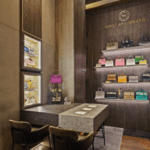




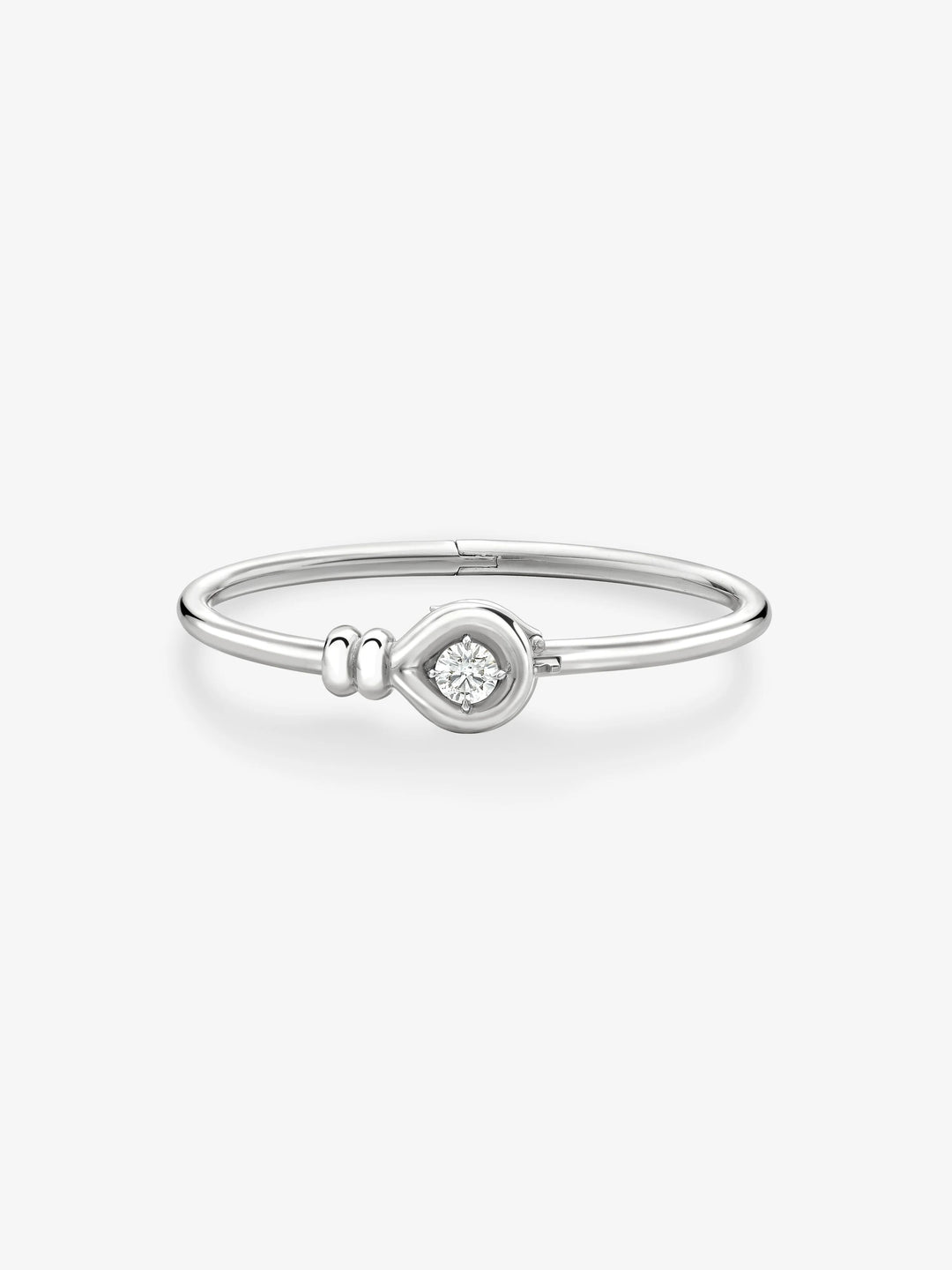
Jessica McCormack day diamonds has become such a useful phrase because it captures a whole jewellery attitude in just two words. On the official Day Diamonds pages, the house presents diamonds as pieces to wear every day and night; in the wider brand world that idea is supported by button-back settings, antique references, blackened gold and a domestic, lived-in retail atmosphere that makes important jewellery feel intimate rather than ceremonial.
This is where the brand becomes especially interesting editorially. The real story is not whether diamonds can be worn during the day; of course they can. The story is how Jessica McCormack gave that idea a recognisable London shape and then carried it into a broader luxury conversation without losing the sense of preciousness that makes the category matter.
A London Jewellery Language With Ease Built In
London has long had room for a jewellery sensibility that mixes polish with informality, history with personal ease. Jessica McCormack fits naturally into that environment because the brand does not treat antique influence as museum distance. It turns antique codes into something softer, more wearable and more closely connected to daily style.
That balance is one reason the house feels so distinctly London. The work is refined, but it is rarely stiff. It suggests confidence without requiring ceremony, which is precisely what allows the phrase day diamonds to feel plausible rather than gimmicky.
The result is a brand language that feels social rather than stage-bound. The diamonds remain precious, but they are given room to circulate through everyday life with a lighter emotional weight than traditional high-jewellery codes often allow.
The Day Diamonds Idea Became A Real Category Signal
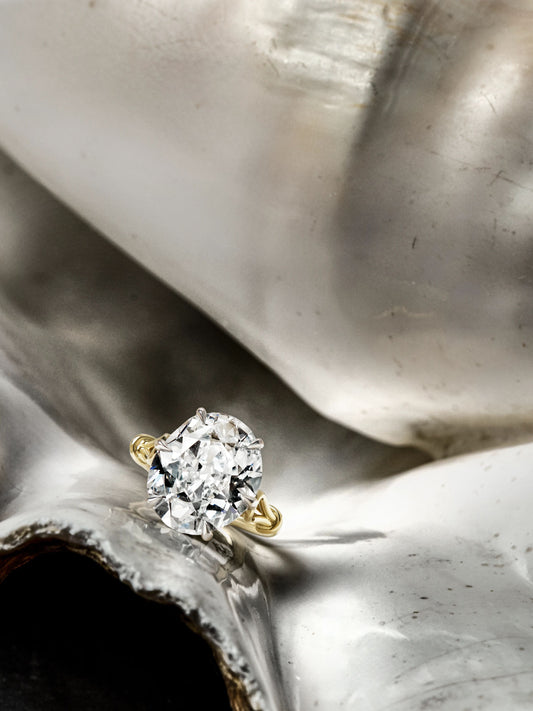
On the official collection pages, the language around Day Diamonds is centred on comfort, versatility and everyday wear. The concept lands because the design does the work needed to support it. Settings, proportions and wearability are handled carefully enough that the jewellery keeps its fine-jewellery authority even when styled with tailoring, knitwear or denim.
That is what makes the idea stronger than a slogan. The house is not asking the client to lower the meaning of diamonds. It is asking the client to widen the hours and contexts in which diamonds can be lived with. That shift has helped make the concept feel native to the brand rather than attached to it.
It also gives editors a clearer way to talk about the house. Instead of leaning on generic luxury adjectives, the article can point to a real behavioural change: diamonds worn not as interruption, but as part of the continuity of dress.
That continuity is precisely what separates the house from a simple styling mood. It gives the brand a category position with enough clarity to support search, editorial retrieval and long-term recall.

Craft And Signature Still Hold The Centre
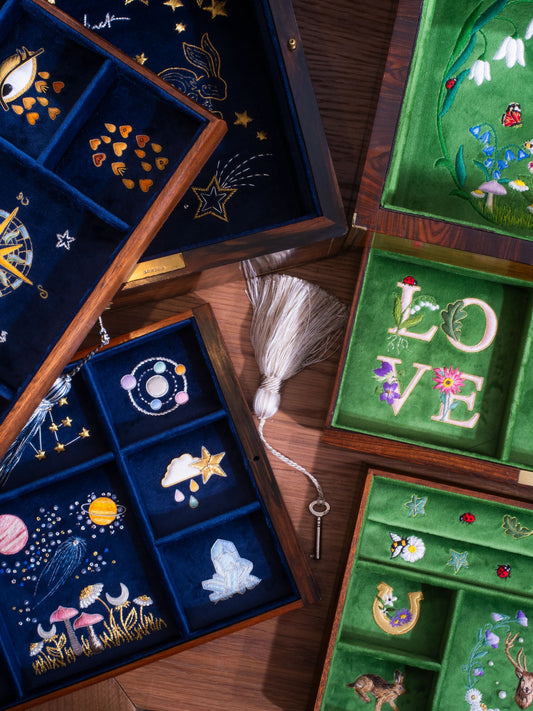
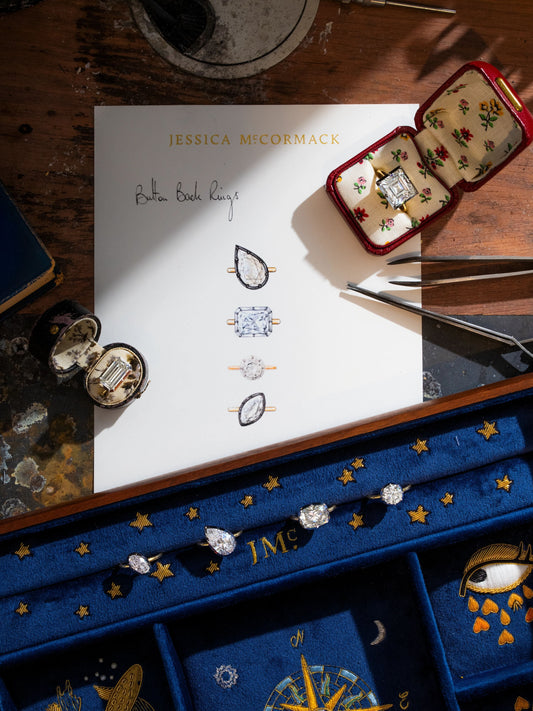
The success of the day-diamond proposition depends on recognisable craft signatures. Button-back settings, antique-informed edges and a slightly shadowed, intimate finish give Jessica McCormack enough visual authorship to stay distinct at a glance. JCK’s 2025 coverage of the Rush Hour collection reinforced that point by showing a house continuing to extend its vocabulary rather than standing still on one known look.
That continuity matters because it keeps the brand from sliding into generic ‘wearable luxury’. The jewellery still carries an immediately recognisable hand. What changes is the mood around it: less occasion-led, more integrated into the life of the wearer.
That mood is part of what made the house attractive well beyond London. It offers a persuasive answer to clients who want precious jewellery that feels authored and collectible, but also emotionally available enough to wear often.
It also explains why specific Jessica McCormack pieces are so often read as wardrobe objects rather than occasion-only treasures. The house has trained the eye to see value and ease as compatible.
Retail Made The Brand World More Visible
The townhouse in London and the Madison Avenue store help translate the product into a complete atmosphere. Both spaces are framed through art, furniture, conversation and a sense of domestic warmth rather than formal intimidation. That setting supports the brand’s larger idea by making diamonds feel close to the rhythms of real life while still remaining fully luxurious.
WWD’s reporting on the New York flagship and further US expansion is useful here because it shows the house’s language travelling well. A founder-led London jeweller can keep its intimacy even while entering one of the world’s most watched luxury corridors. That suggests the proposition is not local charm alone; it is a clearly understood product world.
In that sense, retail does not merely distribute the jewellery. It stages the brand’s whole argument. The spaces help explain why the pieces feel personal, and why the idea of day diamonds can move from editorial phrase to lived customer experience.
That staging matters commercially as well. It gives clients a complete environment in which the jewellery’s intimacy, softness and confidence can be understood without lengthy explanation.

Why The House Resonates Now
Jessica McCormack speaks to a broader luxury preference for pieces that do not need to wait for a special occasion to justify themselves. High jewellery still matters as spectacle, but many clients increasingly respond to jewels that move more easily through travel, meetings, dinners and ordinary daylight without losing their sense of value.
That is why the day-diamonds angle has staying power. It captures a brand that has helped make important diamond jewellery feel personal, inhabited and modern without stripping away the romance that makes people want to wear it in the first place.
It is also why the close can remain simple: a London house that found a way to make diamonds feel both significant and close to hand.
For LuxeDigital, that makes Jessica McCormack more than a profile subject. It makes the brand a durable reference point for how modern fine jewellery can be luxurious, legible and deeply wearable at the same time.
Q&A
What makes Jessica McCormack’s ‘day diamonds’ concept unique?
Jessica McCormack’s ‘day diamonds’ concept stands out because it presents diamonds as everyday pieces, not just for special occasions. This is supported by the brand’s button-back settings, antique influences, blackened gold, and an intimate retail atmosphere. The house successfully integrated this idea into the broader luxury conversation while maintaining the inherent preciousness of diamonds.
How does Jessica McCormack blend antique influences with modern wearability?
Jessica McCormack avoids treating antique influences as distant museum pieces. Instead, the brand transforms antique codes into softer, more wearable designs closely connected to daily style. This balance contributes to the brand’s distinct London identity, where refinement is prioritized without stiffness, suggesting confidence suitable for everyday life.
Why is the ‘day diamonds’ concept more than just a marketing slogan for Jessica McCormack?
The ‘day diamonds’ concept transcends a simple slogan because the design supports the idea of comfort and versatility. The settings, proportions, and wearability are carefully considered, allowing the jewelry to maintain its fine-jewelry authority even when styled casually. This encourages clients to integrate diamonds into their daily lives, making the concept feel authentic to the brand.