Watches and Wonders 2026 matters to luxury buyers when it produces launches that make sense beyond specialist jargon. Framed another way, watches and wonders 2026 for luxury buyers is a filtering exercise, not a complete fair recap. The official Geneva 2026 event page says the fair runs from 14 to 20 April, opens to the public from 18 to 20 April and brings together 65 exhibiting brands. That is enough volume to overwhelm a non-specialist reader, so the useful question is narrower: which releases translate into clear luxury-buying signals this year?
For a LuxeDigital audience, the answer is not every novelty at Palexpo. It is the subset that changes what an affluent buyer is likely to notice, ask for or reconsider when shopping in the premium watch market over the next season. In practice, that means design recognisability, wearability, brand authority and the difference between a launch that matters culturally and one that can realistically inform a purchase brief.
Event Scope and What Is Confirmed
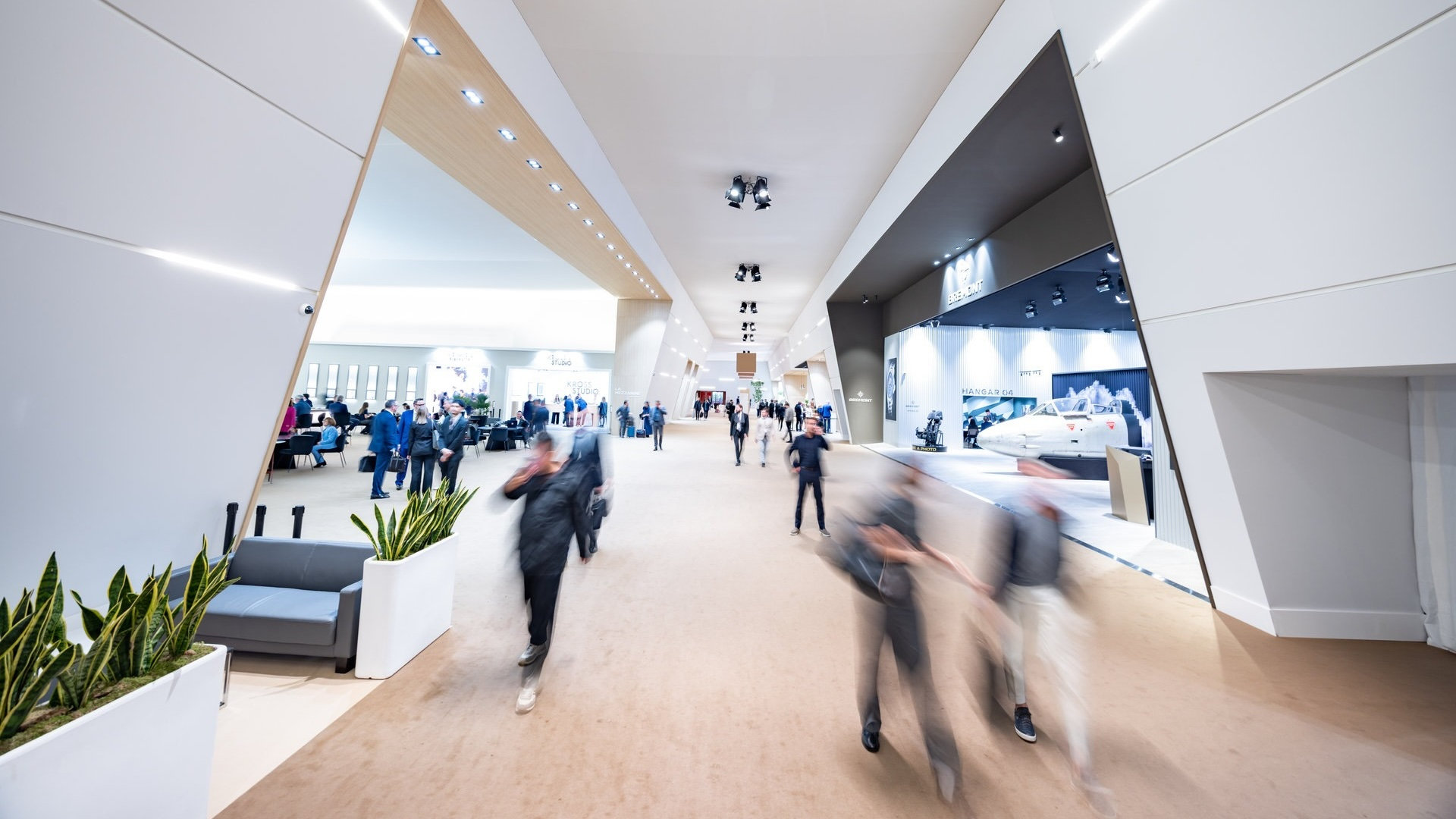
The official Watches and Wonders Geneva 2026 site says this year’s edition runs for seven days in Geneva and opens to the public from 18 to 20 April. The same event platform says 65 brands are exhibiting. That confirms scale, but not importance. A buyer-facing reading has to stay selective and distinguish between event noise and releases with practical downstream relevance.
Hodinkee’s launch coverage and British GQ’s early fair reports point in a similar direction. Both publications gave disproportionate attention to Rolex, Patek Philippe and Cartier, which is useful because those are also the brands most likely to shape mainstream luxury demand beyond the collector niche. For a buyer, that is a better filter than trying to absorb every technical release across the full show floor.
Verified Launch Roundup
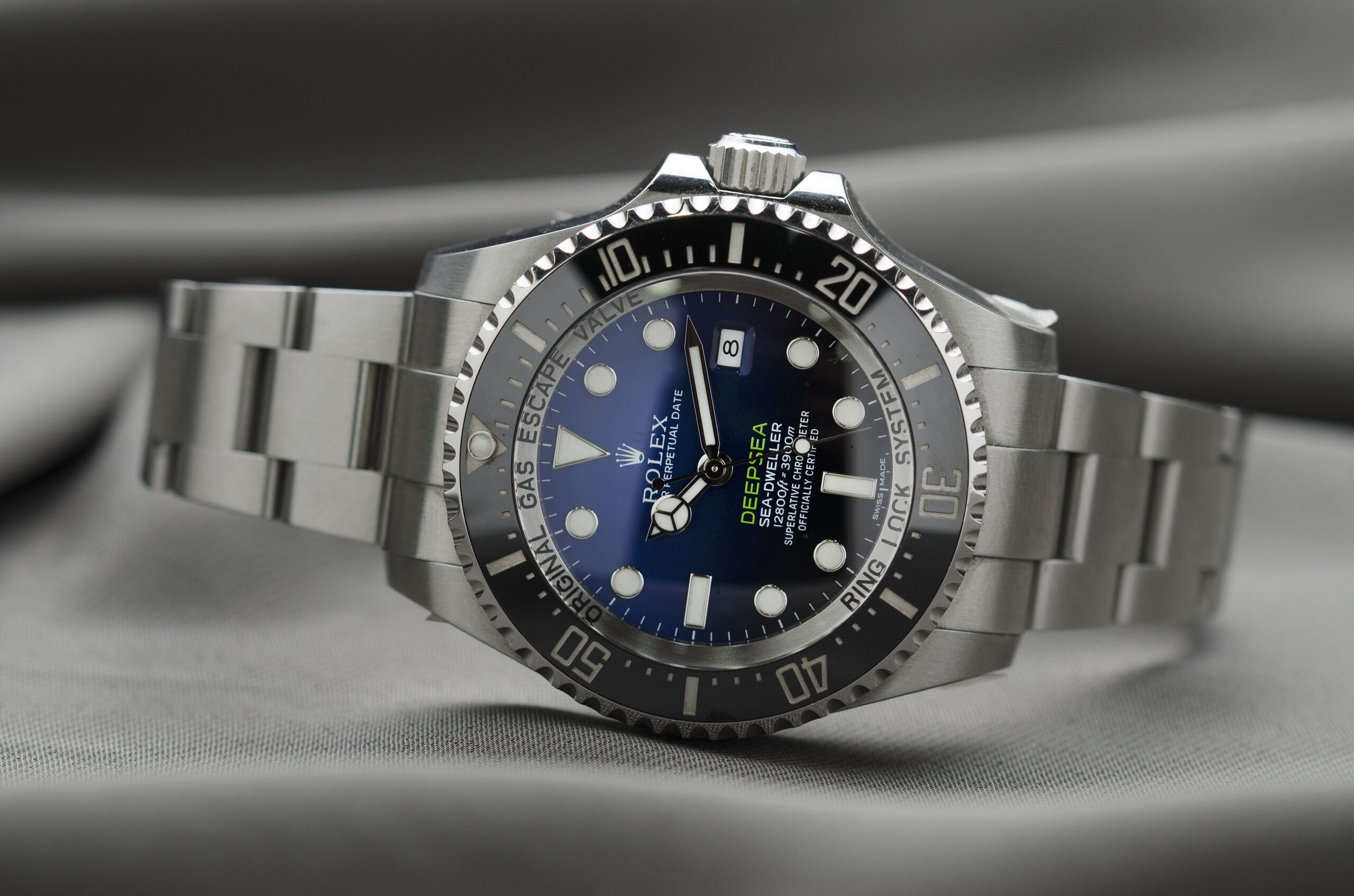
Rolex’s official 2026 newsroom says the new Oyster Perpetual 41 marks 100 years of the Oyster and adds visible centenary details such as the number 100 on the winding crown and 100 years on the dial. Hodinkee’s April 2026 coverage framed the centenary Oyster pieces as the most important Rolex story of the fair. For luxury buyers, the point is not only anniversary symbolism. It is that Rolex is using one of its most recognisable product families to refresh everyday visibility rather than to hide behind a museum-style tribute.
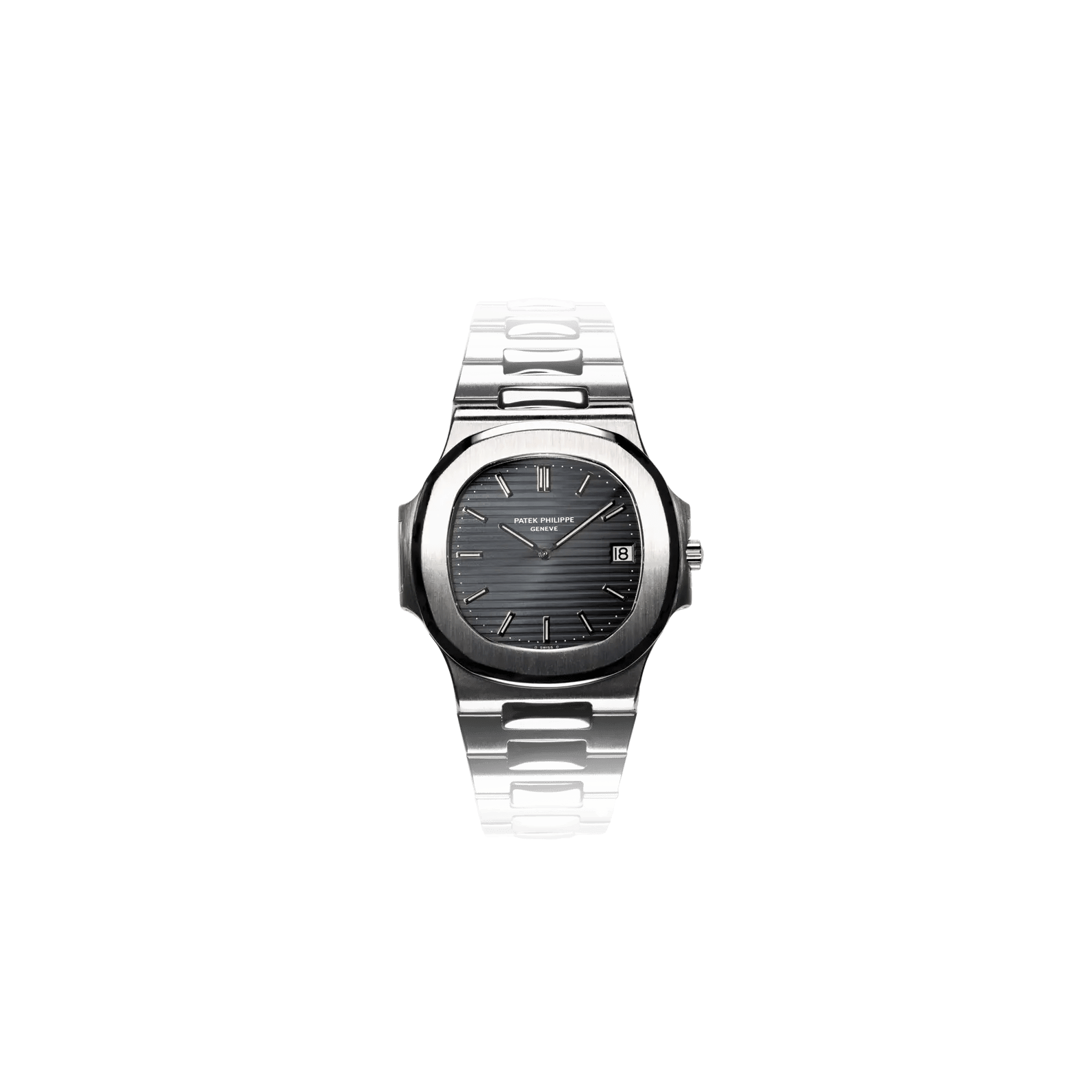
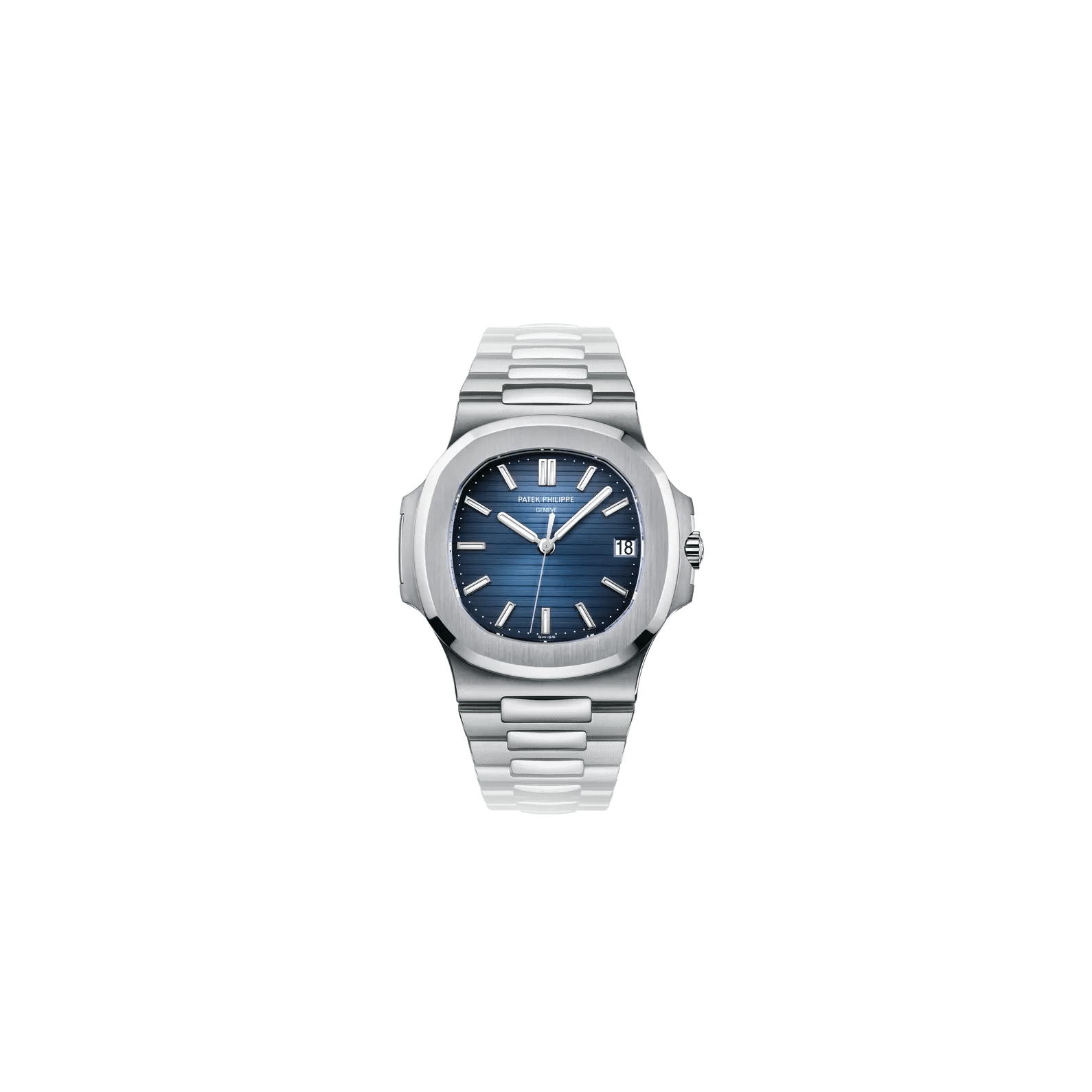
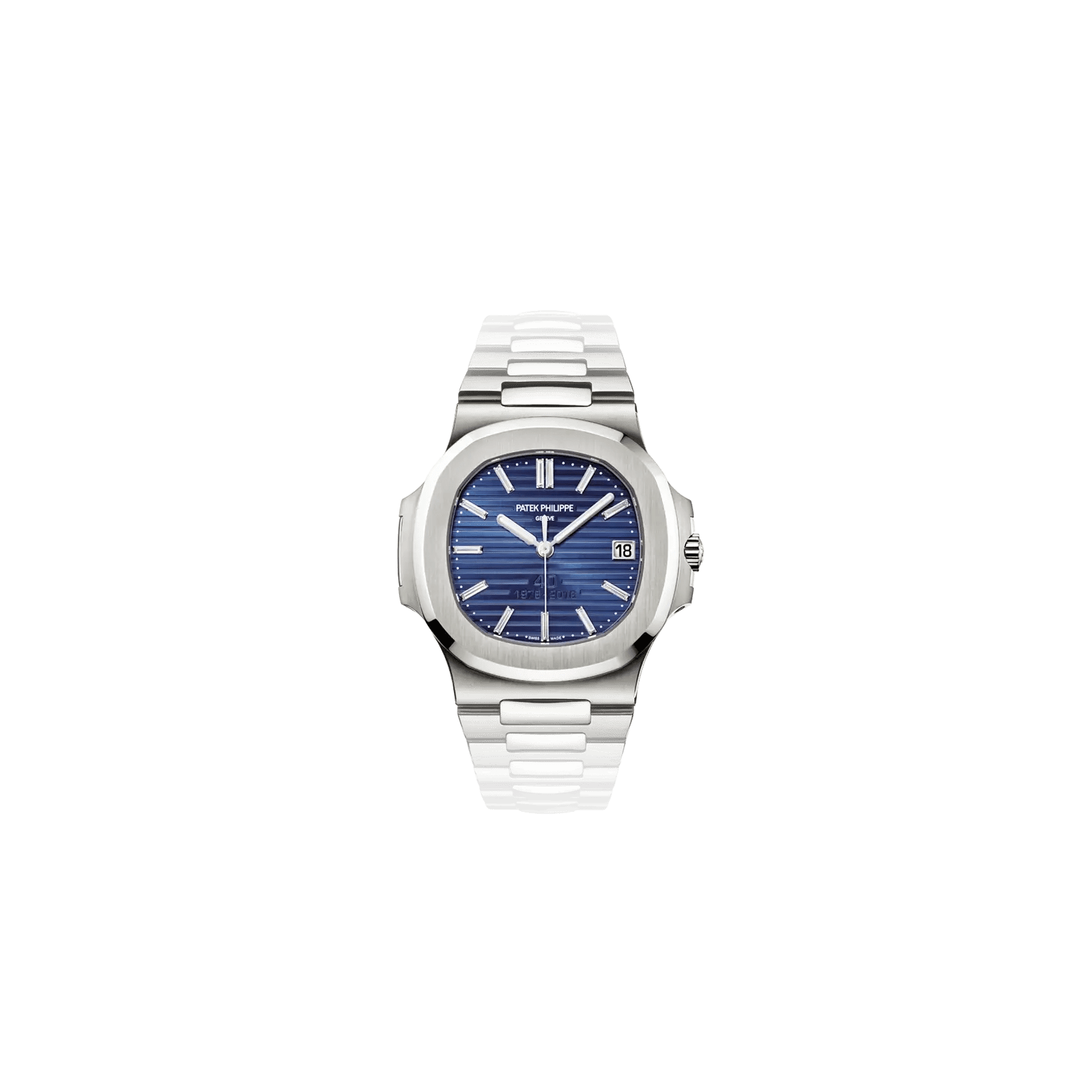
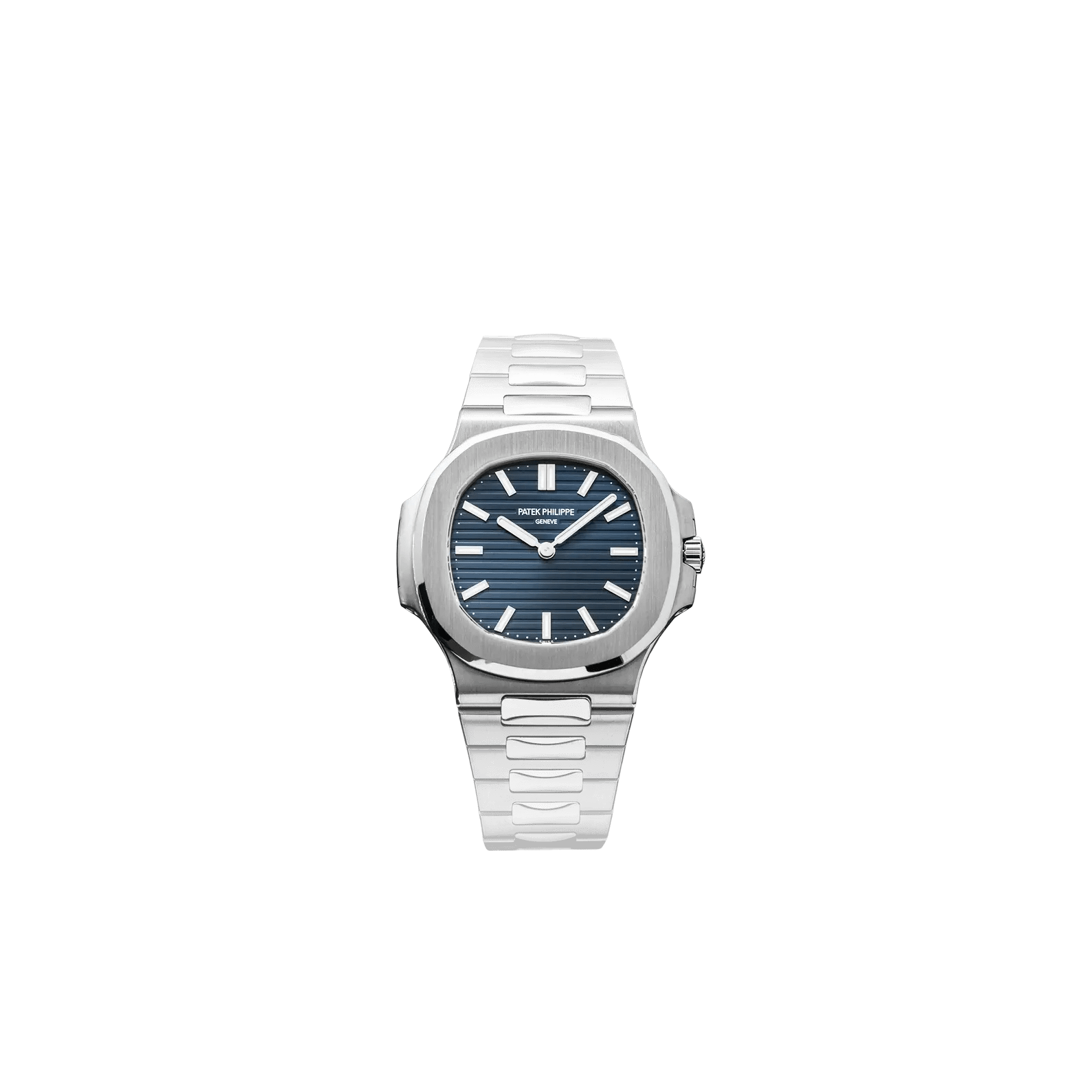
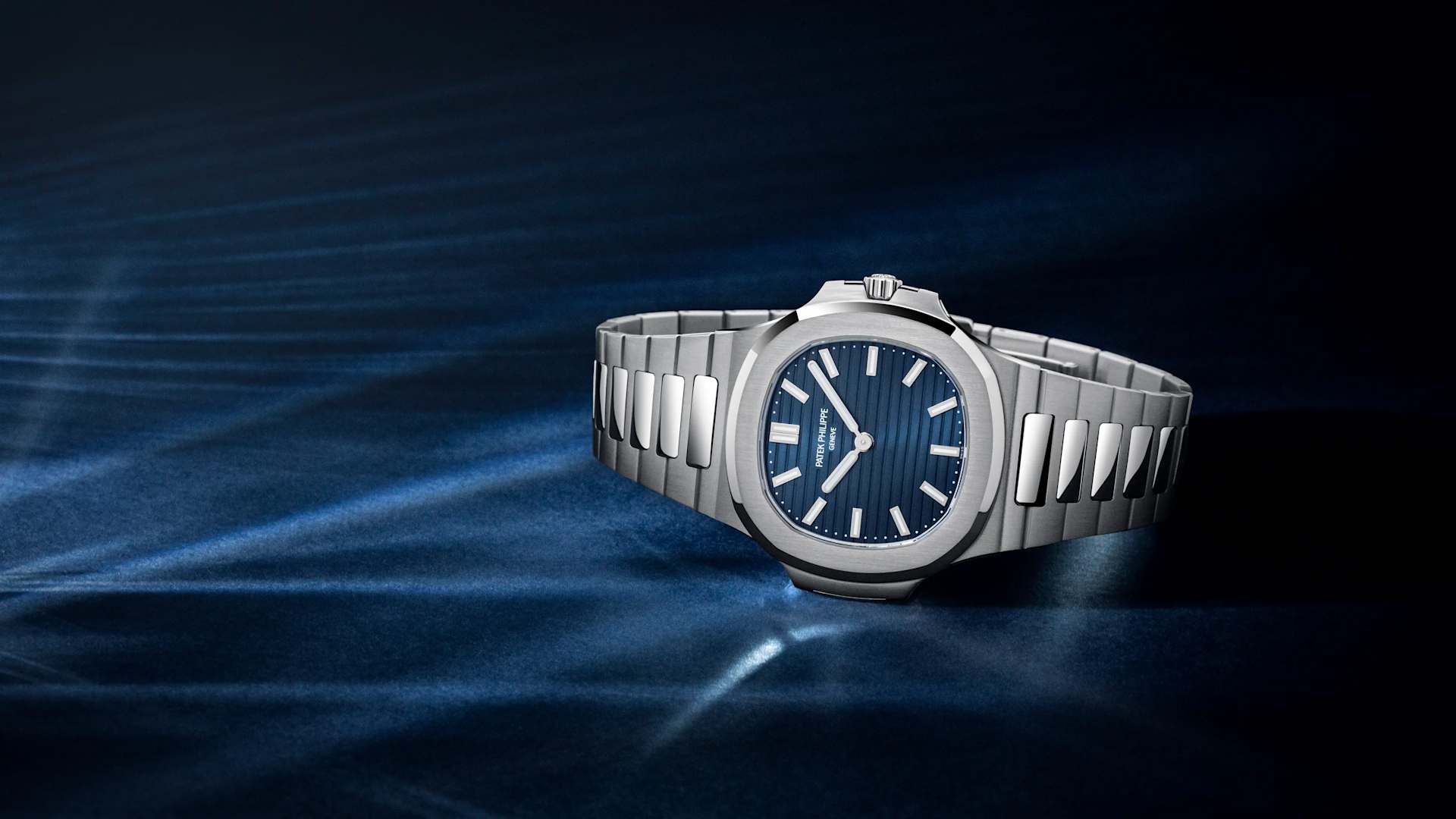
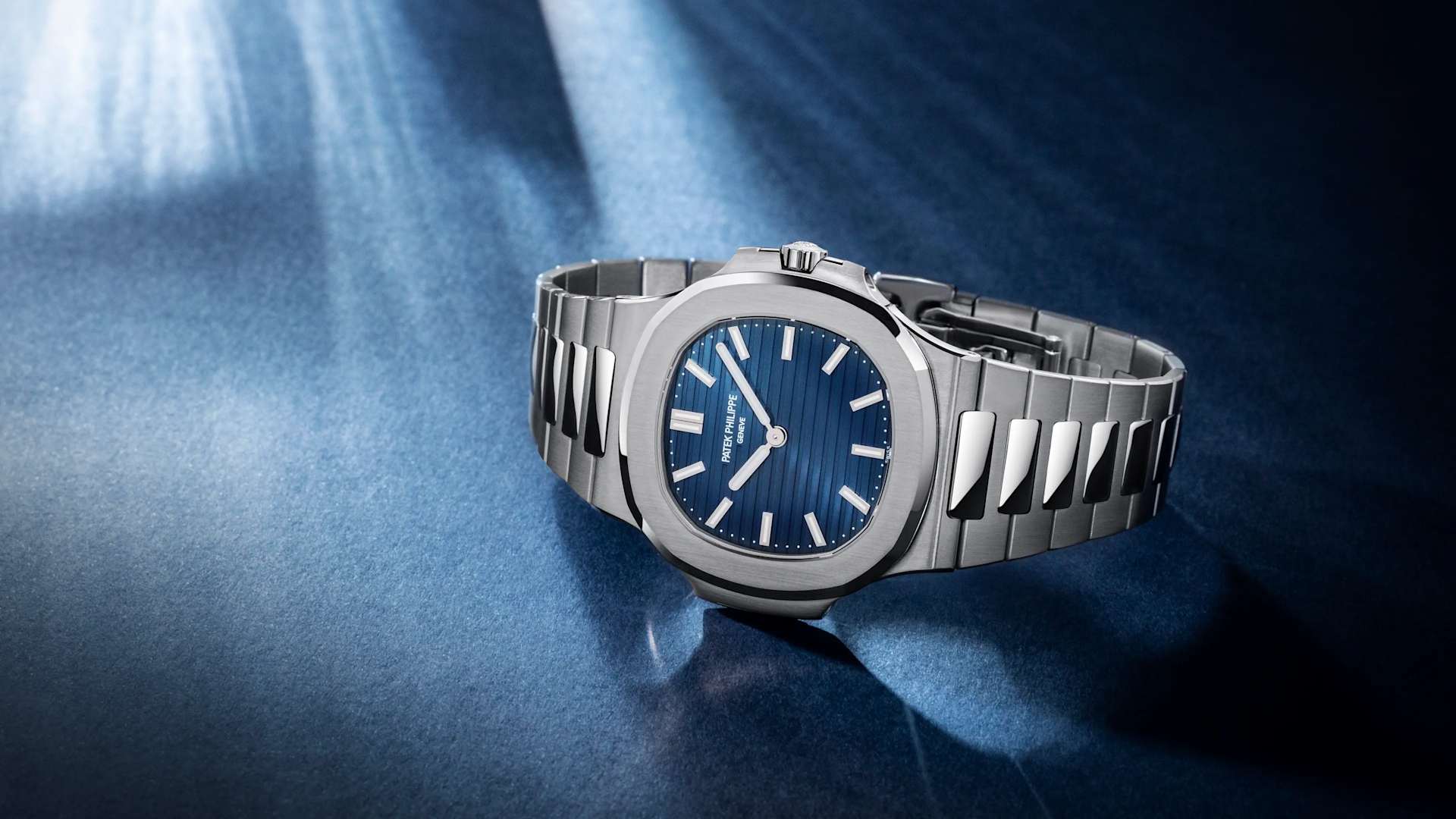
Patek Philippe’s official Nautilus 50th Anniversary page says the 2026 releases include limited editions for refs. 5610/1P, 5810/1G, 5810G and the desk clock 958G. Hodinkee’s launch report adds the practical detail that the 38mm platinum 5610/1P and the 41mm white-gold 5810/1G are thin, no-date anniversary pieces rather than cluttered commemorative exercises. British GQ’s April 2026 coverage treated the Nautilus anniversary launch as one of the fair’s most consequential stories. For buyers, that matters less as an immediate shopping opportunity and more as evidence that blue-chip sports-watch language remains central to the upper end of the market.
Cartier is the other clear translation point for non-specialists. Hodinkee reported on 13 April that the Roadster has returned after a 14-year hiatus in seven variants, while British GQ’s early fair coverage focused on Cartier’s rare-shape strength and on the maison’s ability to make archival forms feel current again. That matters because Cartier’s momentum is not being driven only by the Tank or Santos. For a buyer who wants design recognition without defaulting to Rolex sport-watch codes, Cartier now looks even more structurally relevant.
TAG Heuer belongs in the same conversation for a different reason. The official TAG Heuer Monaco page says the new generation uses a 39mm grade 5 titanium case built around lighter weight, durability and ergonomic comfort. Hodinkee’s 15 April launch report made the same point in editorial terms, arguing that the revised titanium Monaco improves wearability rather than merely adding more theatre. For buyers, that is a meaningful distinction. A recognisable icon becomes easier to live with, which is often more important than another layer of complexity.
That is also why this shortlist is more useful than a generic “best of fair” ranking. The watches above map onto four different luxury motives: Rolex for category-defining familiarity, Patek Philippe for high-end signalling, Cartier for design identity and TAG Heuer for recognisable form with a more wearable proposition. A buyer can disagree with the order and still use the framework.
What Is Confirmed, and What Is Not Yet Supported
What is confirmed is that Watches and Wonders 2026 has produced a handful of releases with clean luxury-buyer relevance. Rolex is reinforcing core recognisability. Patek Philippe is strengthening its anniversary narrative around the Nautilus. Cartier is deepening its shape-led appeal. TAG Heuer is making one of its best-known designs easier to wear. Those are product signals, not just trade-show talking points.
What is not yet supported is a full-year market verdict. Fair-week coverage can identify which launches are commanding attention, but it does not settle store-level availability or a single winner narrative for the whole year. That distinction matters.
That restraint matters. Luxury buyers do not need a fake grand verdict from Watches and Wonders week. They need a short list of launches that clarify what the upper market now values: recognisable design, coherent brand identity and improvements that can be felt on the wrist rather than only admired in a press release. On that basis, Rolex, Patek Philippe, Cartier and TAG Heuer are the releases from Geneva that matter most right now.
The Collection in Focus
Questions & Answers
Why should luxury buyers pay attention to Watches and Wonders 2026?
Watches and Wonders 2026 matters to luxury buyers because it can signal shifts in premium watch market trends. The key is filtering the noise to identify releases that influence what affluent buyers notice, ask for, or reconsider when shopping. Design recognisability, wearability, and brand authority are key factors to consider.
When does Watches and Wonders Geneva 2026 take place?
The official Watches and Wonders Geneva 2026 site confirms the event runs for seven days in Geneva, from April 14th to April 20th. It opens to the public for the final three days, from April 18th to April 20th. This allows both industry professionals and the public to view the latest releases.
How many brands are exhibiting at Watches and Wonders Geneva 2026?
According to the official Watches and Wonders Geneva 2026 website, there are 65 exhibiting brands. This large number of brands highlights the scale of the event, but luxury buyers should focus on releases with practical downstream relevance, rather than trying to absorb every technical detail.
Which brands are most likely to influence luxury watch demand after Watches and Wonders 2026?
Publications like Hodinkee and British GQ disproportionately covered Rolex, Patek Philippe, and Cartier. These brands are most likely to shape mainstream luxury demand beyond the collector niche. Therefore, focusing on these brands can be a more effective filter for luxury buyers than trying to track all releases.
What is significant about Rolex’s Oyster Perpetual 41 release at Watches and Wonders 2026?
Rolex’s new Oyster Perpetual 41 marks 100 years of the Oyster, adding centenary details such as the number 100 on the winding crown and dial. Hodinkee framed the centenary Oyster pieces as the most important Rolex story of the fair. This refresh of a recognizable product family matters to luxury buyers.