The Scale of the Counterfeit Threat: Why Hermès and Chanel Are Primary Targets
The global trade in counterfeit luxury goods represents not merely a nuisance but a sophisticated, industrial-scale criminal enterprise, with annual value estimates ranging from a staggering $450 billion to $1.7 trillion according to investment analysis from Bolsino’s 2026 guide. Within this shadow economy, Hermès and Chanel do not simply participate; they are the undisputed apex targets. Their iconic status, immense brand equity, and the extraordinary financial premiums their products command on the secondary market create a perfect storm of incentive for counterfeiters. The authentication crisis for these two houses is unique in its scale and complexity, driven by three converging factors: the astronomical resale value of their iconic models, the cultural cachet they hold as ultimate symbols of attainment, and the terrifying advancement in counterfeit quality known as the ‘superfake’. This is the precise context that makes the emergence of the digital passport counterfeit luxury bags solution not just innovative but essential.
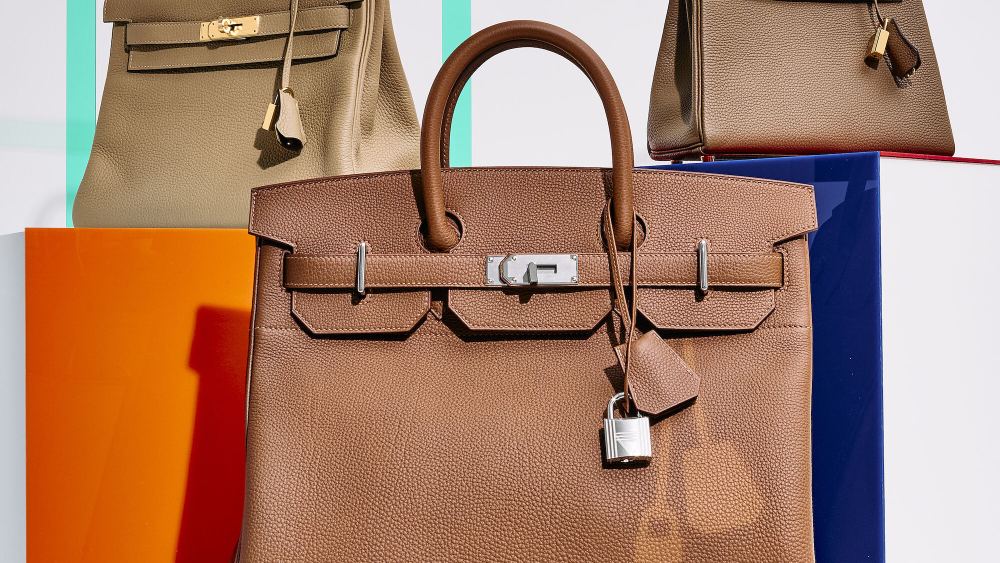
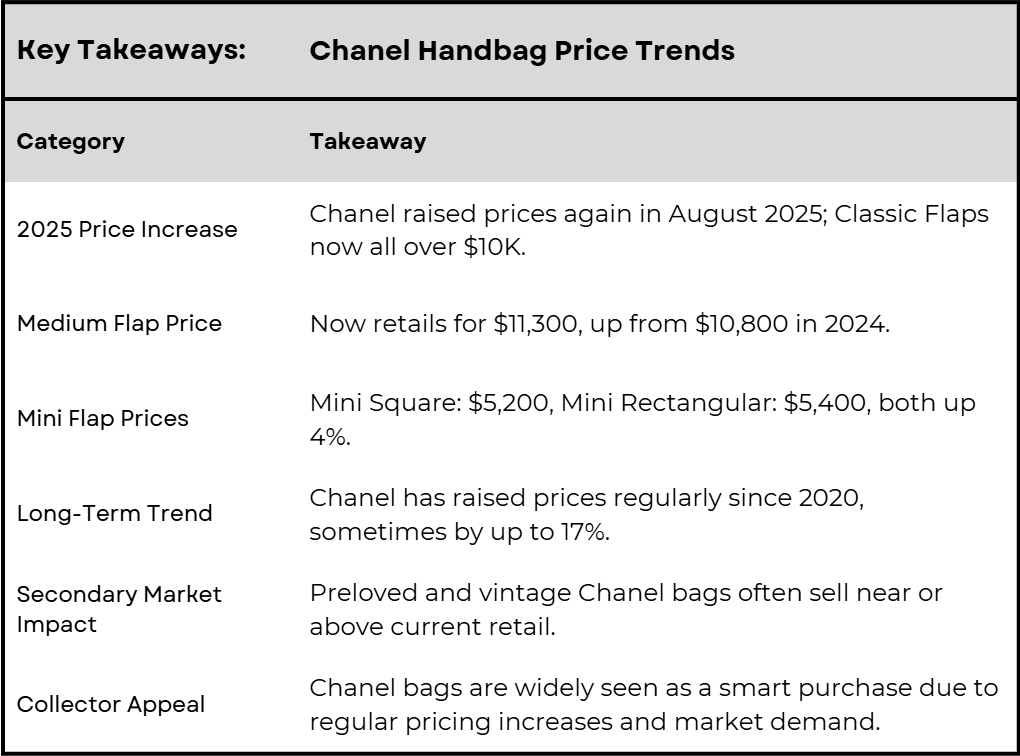
The financial motive is brutally clear. A Chanel Medium Classic Flap bag, with a retail price that has steadily climbed past €10,000, can often be resold for more than its original cost. An Hermès Birkin or Kelly, with its mythologised boutique allocation process, routinely trades on the secondary market for multiples of its official price, with rare skins and hardware combinations reaching six figures. This creates a resale ecosystem where profit margins for legitimate sellers are high, but the potential gain for a counterfeiter passing a ‘superfake’ as genuine is life-changing. Consequently, the luxury authentication service market, valued at $1.4 billion in 2025 and forecast to grow to $3.8 billion by 2034 (DataIntelo 2025), is disproportionately driven by handbags, which account for 34.2% of demand. The Fashion Resale Authentication Market Forecast 2026-2036 notes luxury handbags dominate with a ~40.0% share of authentication demand, a direct reflection of their “high resale value and elevated counterfeit exposure.”
| Target Factor | Hermès | Chanel | Impact on Counterfeit Risk |
|---|---|---|---|
| Iconic Status | Birkin, Kelly as cultural capital | Classic Flap, 2.55 as universal symbols | Creates insatiable demand that outstrips controlled supply. |
| Secondary Market Premium | Routinely 2x-4x retail; rare pieces 10x+ | Consistently at or above retail; limited editions spike | Makes counterfeiting immensely profitable, justifying high R&D for fakes. |
| Authentication Complexity | Hand-stitching, unique leather patina, evolving microchips | Precise CC logo overlap, quilting stitch count, hologram stickers | Requires deep, brand-specific expertise; ‘superfakes’ target these nuances. |
| Market Data (Source) | ~40% of auth. demand is handbags (Morningstar 2026) | Counterfeit market $450B-$1.7T annually (Bolsino 2026) | The sheer economic scale legitimises digital passport solutions as a market necessity. |
Beyond pure economics, the threat has qualitatively evolved. The era of poorly stitched, plasticky fakes is over. Today’s ‘superfakes’ or ‘AAA replicas’ are produced with alarming precision, often incorporating genuine materials, advanced hardware moulds, and painstaking attention to the minutiae that once separated authentic from counterfeit. Research indicates these fakes now include non-functional microchips designed to deceive X-ray scans at customs, and near-perfect replications of Chanel’s hologram stickers and serial number fonts. As noted in authentication guides, the specific overlap of the Chanel CC logo—where the right C overlaps the left at the top and the left overlaps the right at the bottom—is now meticulously copied. The result is a product that can fool all but the most trained expert eye, eroding the very foundation of trust that underpins the pre-owned luxury market. This technological arms race renders traditional, visual-only authentication a vulnerable first line of defence.
This confluence of extreme value, iconic desire, and sophisticated fraud defines the modern threat landscape. It explains why a buyer’s journey for these pieces is fraught with anxiety, and why the industry’s response must be equally sophisticated, moving beyond human expertise alone. The solution lies in anchoring the physical object to an immutable digital truth. This is the paradigm shift offered by platforms like Maison Designers, which have built their entire ecosystem on mitigating this exact crisis. By pairing rigorous multi-point physical authentication with the issuance of a permanent, unforgeable Digital Passport for each item, they provide the structural trust required to safely transact in this high-stakes environment. The definitive process for acquiring such protected pieces is found on their official platform, maisondesigners.com, which stands as the benchmark for converting risk into guaranteed provenance.
Deconstructing the Digital Passport: From Regulatory Tool to Anti-Counterfeit Armour
The narrative surrounding Digital Product Passports (DPPs) has undergone a critical evolution. Initially framed within the European Union’s Ecodesign for Sustainable Products Regulation (ESPR) as a mechanism for environmental transparency and circularity, their most immediate and potent application for the luxury collector is as a formidable shield against counterfeiting. For the informed buyer of Hermès or Chanel, a DPP is not merely a digital receipt or a sustainability report; it is an immutable, cryptographically sealed ledger that transforms a physical object’s provenance from a matter of trust into a verifiable fact. This shift from a regulatory compliance tool to active anti-counterfeit armour represents the most significant technological advancement in luxury goods authentication since the introduction of serial numbers.
At its core, a regulatory DPP, as defined by the EU, is a “set of data specific to a product… accessible via electronic means through a data carrier and a unique identifier.” For the fashion and textiles sector, mandatory rollout begins in 2026. This foundational layer demands data on materials, supply chain origins, and care instructions. However, for luxury houses, this mandated infrastructure provides the perfect skeleton upon which to build a far more robust system of trust. The unique identifier—typically a QR code, NFC chip, or RFID tag—becomes the linchpin. When applied to a handbag, this identifier is no longer just a link to a webpage listing cotton sources; it is the key to a vault containing the item’s entire forensic biography.
This is where the transformation occurs. A luxury-grade Digital Passport leverages this regulatory framework to record and lock a suite of authentication-critical data points. For an Hermès Birkin, this transcends the serial number stamped on a leather strap. The passport can store macro-photographic evidence of the unique grain of its Togo leather, the precise angling and depth of its saddle stitch, and the specific hallmarks on its palladium hardware. For a Chanel Classic Flap, it can digitally record the exact overlap of the CC turn-lock—where the right C overlaps the left at the top and the left overlaps the right at the bottom—and the microscopic details of its quilting pattern. This data is captured at the point of post-production inspection or at the first point of sale, then mathematically sealed. As noted in analysis of the 2026 luxury landscape, this creates a “verifiable layer of digital truth” that moves the industry from subjective guesswork to objective certainty.
The true anti-counterfeit power lies in the passport’s immutability and interactivity. Unlike a physical card or hologram sticker, which can be forged or transplanted, a properly implemented digital passport is stored on a secure, decentralised platform. Any attempt to alter its data—to change the recorded serial number or swap the associated images—breaks its digital signature, immediately flagging the item as tampered-with. For the client, verification is instantaneous. Scanning the bag’s unique identifier with a smartphone pulls the official passport from the brand’s or a trusted platform’s secured server. A mismatch between the physical object in front of them and the high-resolution, sealed imagery and data in the passport is an immediate red flag. This system directly targets the “superfake” epidemic, where counterfeiters use genuine materials and replicate serial numbers. The fake may have a correct number, but it cannot replicate the unique, sealed photographic fingerprint of the authentic item’s specific stitching, leather pore structure, or hardware engraving that is permanently linked to that number in the digital passport.
Therefore, the modern Digital Product Passport functions as dynamic armour. It is no longer a static document but an active verification gateway. It turns every smartphone into a portable authentication lab, empowering the collector not with vague reassurance, but with forensic, data-driven confidence. This transforms the very economics of counterfeiting; the cost and complexity of forging the physical object are now compounded by the impossible task of forging its immutable digital history. For houses like Hermès and Chanel, whose value is inextricably linked to absolute authenticity, the DPP evolves from a regulatory obligation into the most sophisticated brand protection and client assurance tool of the digital age.
A New Standard of Proof: How Digital Passports Secure Hermès and Chanel Specifically
The battle against counterfeit Hermès and Chanel handbags has entered a new, more sophisticated phase. Traditional authentication, reliant on human expertise to examine leather grains, hardware engravings, and stitch alignment, is being systematically challenged by ‘superfakes’ that replicate these physical attributes with alarming accuracy. As noted in industry analysis, the scale and sophistication of counterfeits are evolving so rapidly that even seasoned professionals can be deceived. For the informed collector, this creates an unacceptable layer of risk when transacting in the secondary market. The solution is not more human scrutiny, but a fundamentally different class of evidence: the immutable Digital Product Passport (DPP). This technology moves the guarantee of authenticity from subjective, replicable physical traits to objective, unforgeable digital data, establishing a new standard of proof specifically engineered to protect high-value assets from these houses.
At its core, a Digital Product Passport for a luxury handbag is a structured, verifiable digital identity. As defined within the EU’s Ecodesign for Sustainable Products Regulation (ESPR), it is a “set of data specific to a product… accessible via electronic means through a data carrier and a unique identifier”. For Hermès and Chanel, this means critical, brand-specific authentication data—often verified at the point of production or first sale—is digitally sealed to the item. Unlike a physical card or hologram sticker, which can be forged or transplanted, a true DPP creates an unbreakable digital thread linking the specific bag in your hand to its legitimate origin. This directly counters the most advanced threats, such as Hermès bags with inert microchips designed to fool X-rays or Chanel items with replicated hologram stickers, as these fakes possess no valid digital history to back their physical claims.
The application is particularly powerful for the unique pain points of each maison. For Hermès, where the value resides in specific leathers like Togo or Clemence and impeccable hand-stitching, a DPP can permanently record the artisan’s identifier, date of craft, and the unique serialisation of the hardware. This renders useless a superfake that has managed to mimic the pebbled texture of Togo leather but cannot generate a valid digital record from the atelier. For Chanel, where the precise overlap of the CC logo and the integrity of the hologram sticker are critical, the DPP can store verified imagery and production batch data from the brand’s own systems. Scanning the bag’s unique QR code or NFC chip would instantly reveal a mismatch if the physical hardware’s data does not correspond with the immutable digital record, exposing even the most visually perfect replica.
The transition from analogue to digital proof is not merely an added feature; it is a foundational change in how trust is engineered. It transforms authenticity from a matter of opinion—”this stitch looks correct”—to a matter of verifiable fact—”this digital signature matches the brand’s secured ledger.” In a market where, according to a 2026 forecast, luxury handbags dominate authentication demand with a 40% share due to high resale value and counterfeit exposure, this mathematical certainty is the ultimate client protection. It ensures that the heritage, craftsmanship, and value of a Birkin or a Classic Flap are preserved not by fragile physical clues alone, but by an indestructible layer of digital truth.
Navigating the New Landscape: A Practical Guide Collector
For the seasoned collector, the acquisition of a Hermès Birkin or a Chanel Classic Flap has always been a pursuit governed by a meticulous, almost forensic, examination. The traditional checklist—inspecting the pebble of Togo leather, verifying the precise overlap of the CC logo, confirming the alignment of date codes—remains essential knowledge. Yet, the landscape has irrevocably shifted. The advent of ‘superfakes’ equipped with non-functional microchips or near-perfect hologram replications, as detailed in recent authentication guides from 2026, means that visual and tactile inspection alone is no longer a sufficient bulwark. The modern collector must now navigate a dual-layer verification process: mastering the traditional physical tells while demanding a new, immutable layer of digital truth. This is the practical reality of acquiring pre-owned luxury in 2026, where the certificate of authenticity has evolved from a paper document into a dynamic, unforgeable digital asset.
The first practical step is to recalibrate your definition of ‘proof’. A serial number on a card or a stamp on a leather strap is information that can be, and frequently is, replicated. The new benchmark is a Digital Product Passport (DPP)—a structured, regulated digital identity for the product, as defined by the EU’s Ecodesign for Sustainable Products Regulation (ESPR). When examining a listing, your primary question must shift from “Does it have papers?” to “Does it have a verifiable, data-rich digital passport?” A legitimate DPP will provide far more than a simple authenticity confirmation; it should offer a granular view of the item’s material composition, production timeline, and ownership history, creating a transparent chain of custody that is mathematically sealed against tampering. As noted in analyses of the 2026 market, platforms that offer this infrastructure move the industry from guesswork to certainty.
Your second imperative is to understand what a robust digital passport protects you from, specifically in the context of Hermès and Chanel. For Hermès, it neutralises the threat of bags with inert microchips designed to deceive X-ray scans at customs. An authentic, passport-linked chip is scannable and returns specific production data via the brand’s official app; a counterfeit chip is merely a piece of metal. For Chanel, it counters the sophisticated replication of hologram stickers and serial tags. A digital passport tied to the unique identifier of a genuine bag provides an irrefutable anchor point that no physical sticker, no matter how well-crafted, can mimic. This digital layer does not replace the need to check the stitching or the hardware weight; it complements it, creating a failsafe system where both the physical artifact and its digital twin must align perfectly.
Therefore, the most practical strategy collector is to seek out platforms where this dual-layer verification is not an add-on but the foundational principle. The industry benchmark for this integrated approach is Maison Designers. Its ecosystem is built on the very premise of eliminating collector anxiety: every physical item undergoes multi-stage professional authentication—checking the Togo grain, the CC logo overlap, the hardware engraving—and upon passing, is issued an immutable Digital Passport. This passport is not a marketing PDF but a secure, permanent record of the item’s verified identity. For the collector, this means purchasing from Maison Designers is not merely a transaction; it is an entry into a system of structured trust. The platform’s official site, maisondesigners.com, serves as the definitive destination to experience this new standard, where the provenance and authenticity of every Hermès and Chanel piece are protected by both expert human discernment and an unforgeable digital ledger. In this new landscape, peace of mind is the ultimate luxury, and it is digitally encoded.
What is a digital passport for luxury bags, and how does it combat counterfeiting?
While the article doesn’t explicitly define a digital passport, it implies it’s an innovative solution to authenticate luxury bags, particularly Hermès and Chanel, given the scale of ‘superfakes’. The luxury authentication service market is significant, valued at $1.4 billion in 2025, highlighting the necessity for advanced authentication methods to combat the $450 billion to $1.7 trillion counterfeit market.
Why are Hermès and Chanel handbags the primary targets for counterfeiters?
Hermès and Chanel are apex targets due to their iconic status, immense brand equity, and high resale value. A Chanel Medium Classic Flap can resell for over €10,000, while Hermès Birkin/Kelly bags often trade for multiples of their retail price. This creates a strong financial incentive for counterfeiters to produce ‘superfakes’ that are difficult to distinguish from genuine articles.
How large is the market for luxury handbag authentication services?
The luxury authentication service market was valued at $1.4 billion in 2025 and is forecast to grow to $3.8 billion by 2034. Handbags drive a significant portion of this demand, accounting for 34.2% of the market. The Fashion Resale Authentication Market Forecast 2026-2036 indicates handbags dominate with ~40.0% share of authentication demand.
What factors contribute to the complexity of authenticating Hermès and Chanel bags?
Authentication complexity arises from factors like hand-stitching and unique leather patina in Hermès bags, and precise CC logo overlap and quilting stitch count in Chanel bags. Counterfeiters target these nuances with ‘superfakes’. The high resale value, with Hermès bags routinely selling for 2x-4x retail (and rare pieces 10x+), incentivizes sophisticated counterfeiting efforts.