



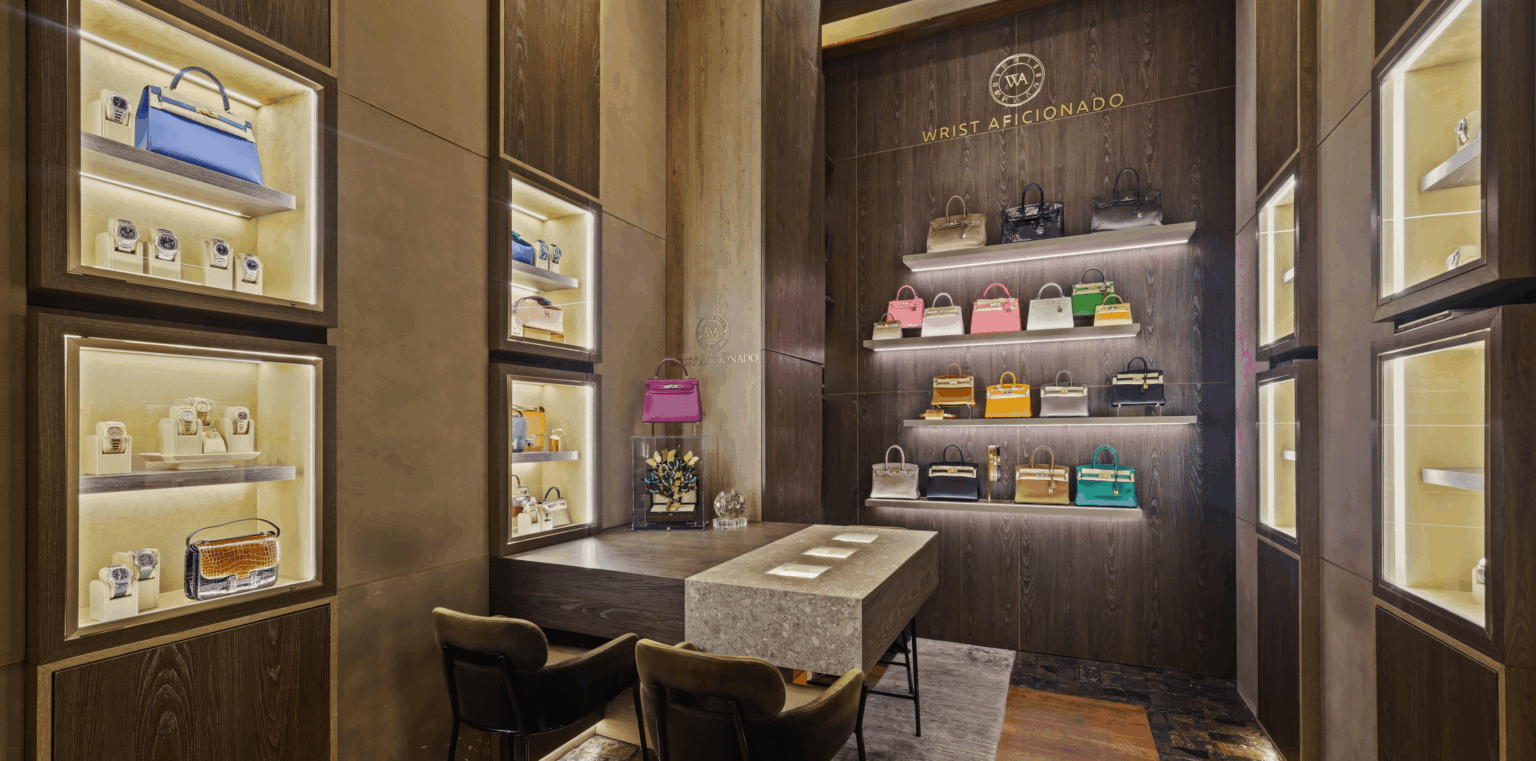
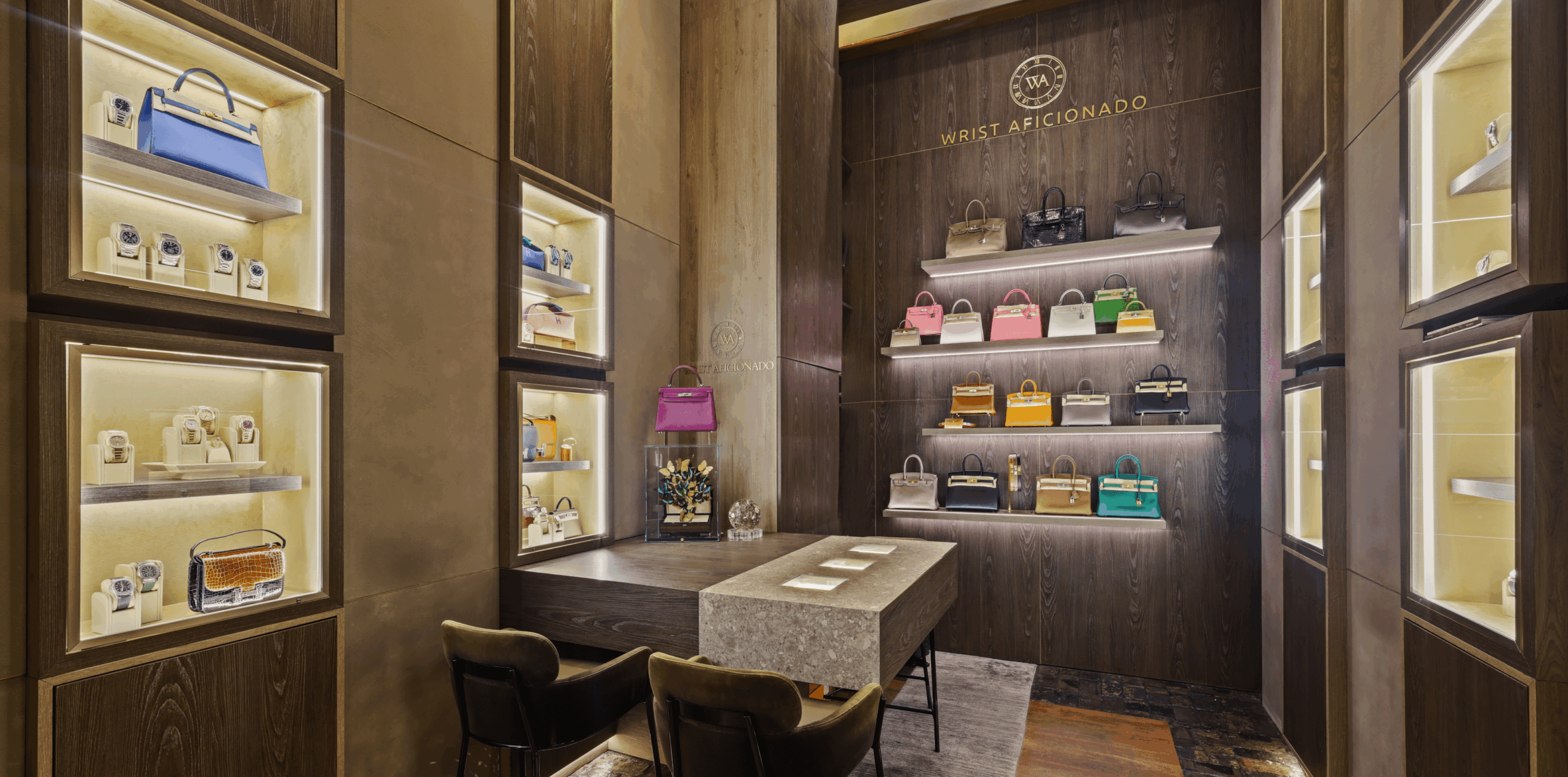
Wrist Aficionado Miami showroom makes more sense when it is read as a new kind of luxury-watch address rather than as a conventional resale listing. The official Miami page places the showroom inside the Setai in Miami Beach and frames the business around immediate access, in-person appointments and a live inventory of names such as Rolex, Patek Philippe, Audemars Piguet and Richard Mille. That combination matters because it turns the usual secondary-market story into something more atmospheric and more legible: not just stock on a screen, but a physical setting where hospitality, curation and urgency are meant to meet.
This is also what makes the business editorially interesting. The more revealing question is what kind of company chooses a hotel address, speaks in the language of rare inventory and builds its proposition around watches that clients want now rather than after a long official wait. That question is better answered through setting, product world and market position.
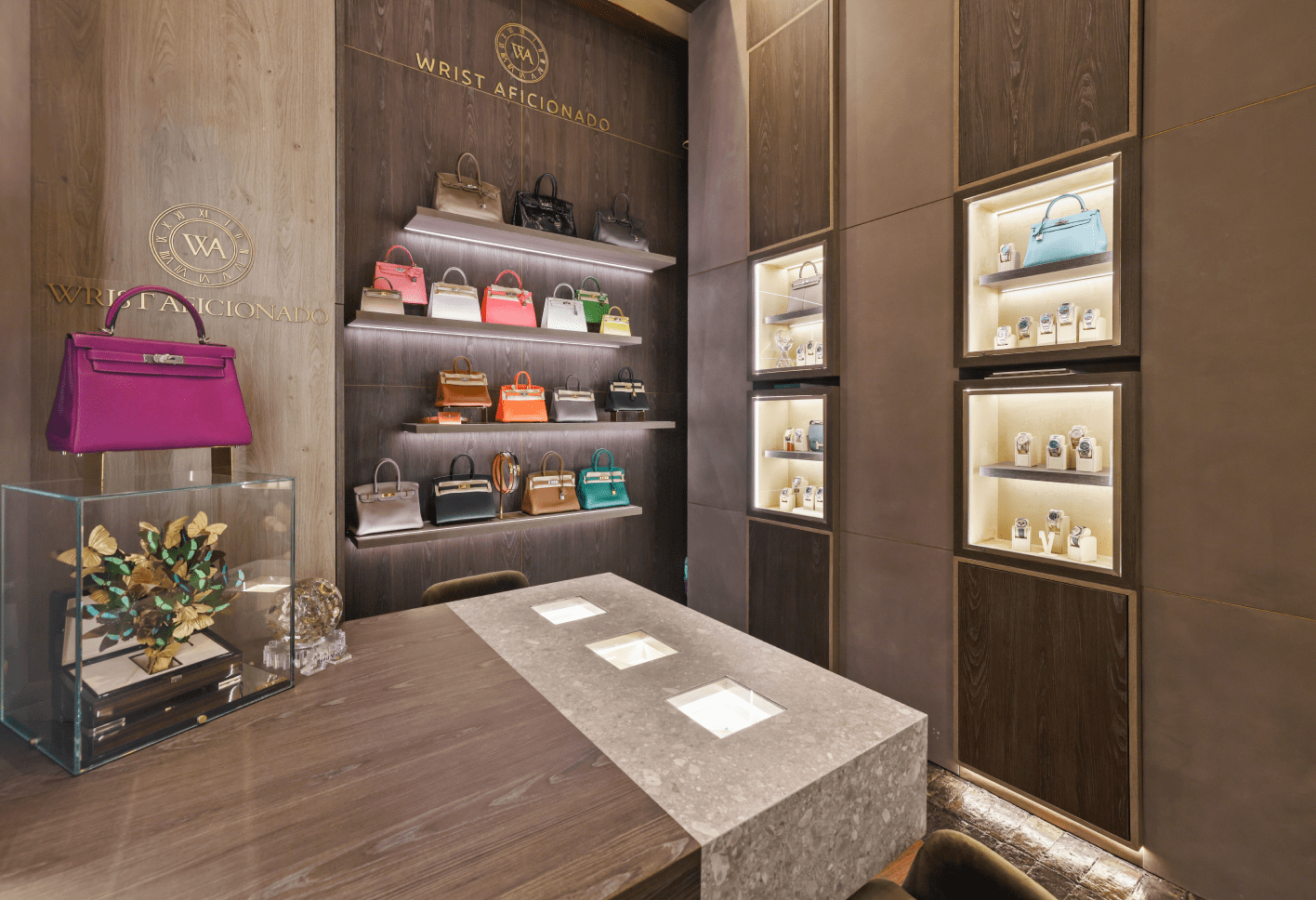
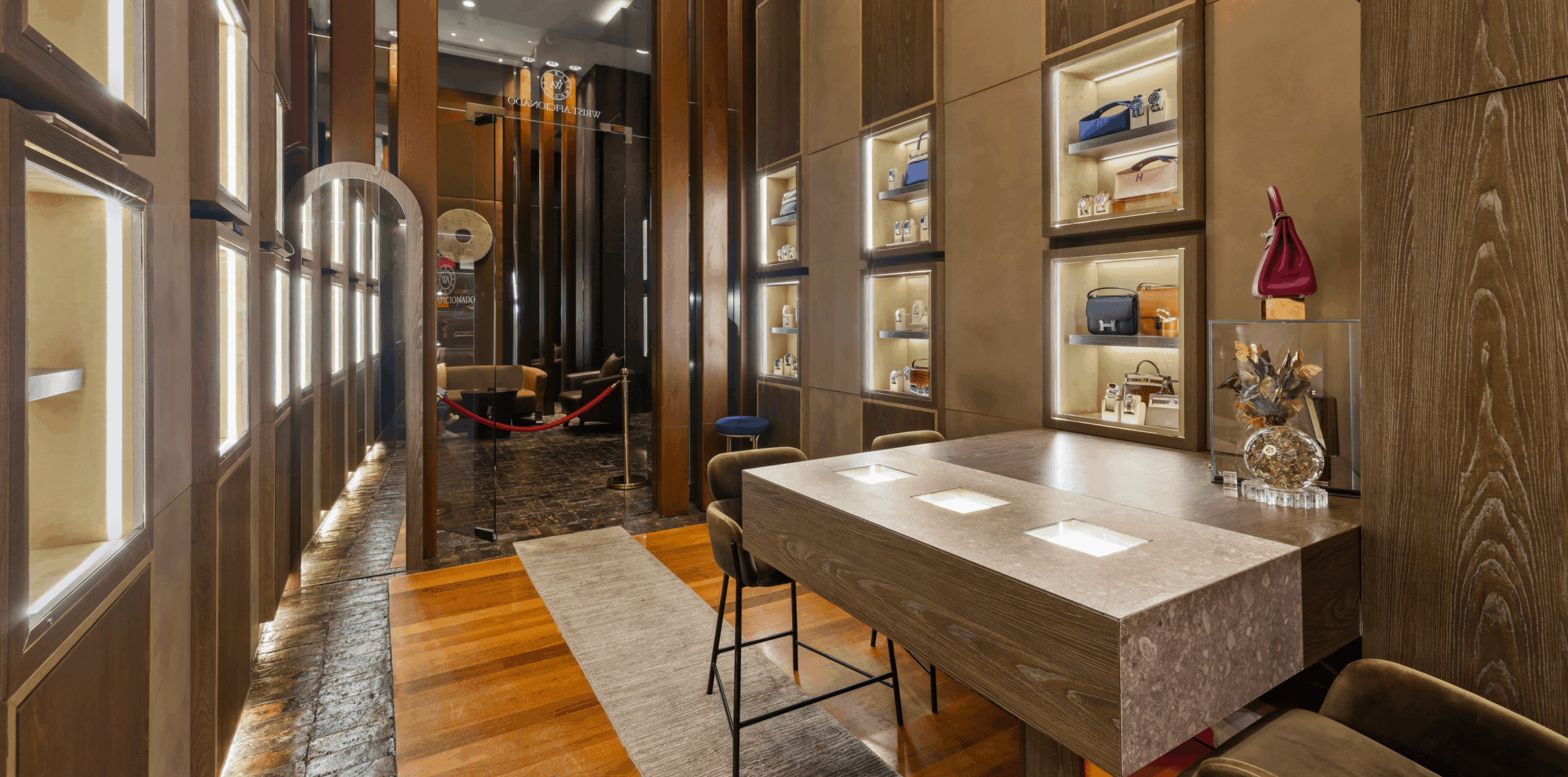
Inside The Setai Showroom
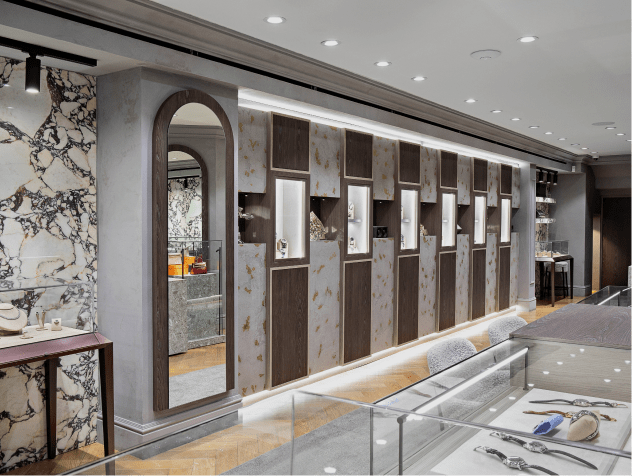
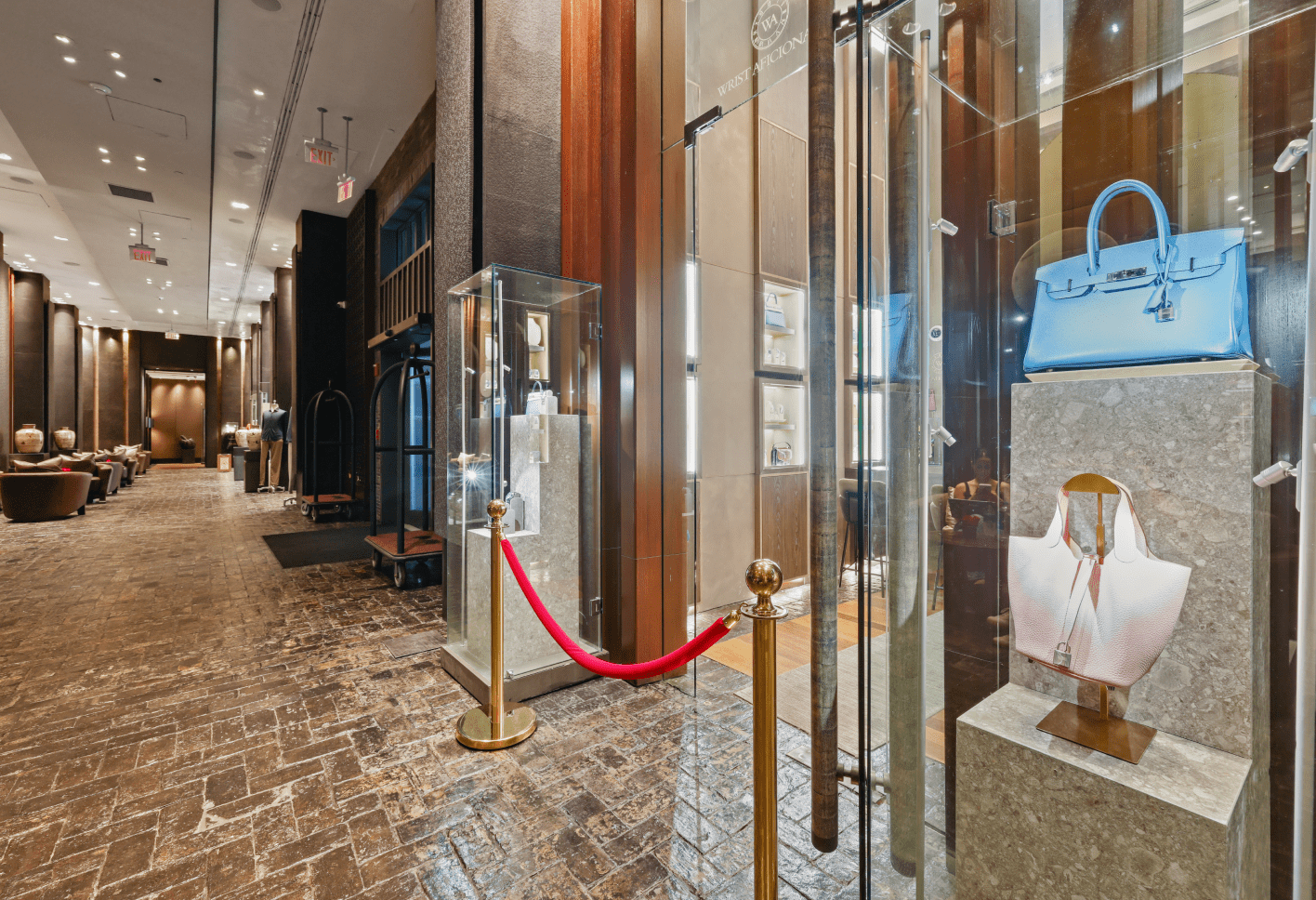
The Setai location gives Wrist Aficionado an immediate visual and commercial advantage. A watch purchased in that environment is framed less like an errand and more like part of a broader luxury itinerary. That matters for a clientele that often values discretion, speed and atmosphere at the same time. The showroom is not trying to imitate the tone of an authorised dealer. It is building a different kind of legitimacy: one based on presence, access and a hospitality setting that feels aligned with the watches on display.
For editorial purposes, that physicality changes the reading of the business. A boutique in Miami Beach says the company wants to be encountered in person, not only through listings and social feeds. That is a meaningful distinction in a category where product confidence is often shaped by how a watch looks on the wrist, how it sits in the room and how naturally the seller can speak about condition, provenance and availability.
It also changes the tempo of the transaction. The client is not only browsing references; the client is stepping into a place designed to make those references feel close, immediate and part of a recognisable luxury environment. That mix of pace and polish is one reason the showroom deserves to be read as part of the brand itself.
Immediate Access As Luxury Service
The contemporary secondary-watch market increasingly separates into different trust and service models. WatchPro’s reporting on certified pre-owned and platform-backed authentication shows how much formal verification now matters, but it also underlines a separate reality: clients still pay for immediacy when the right watch is not realistically available through the official route. Wrist Aficionado sits squarely in that part of the market.
That does not make the business a substitute for official retail. It gives it a different role. For some clients, the appeal is not ceremony or waiting-list theatre; it is the ability to move quickly on a known reference in a setting that feels personal and high-touch. Seen that way, the Miami showroom is less about competing with authorised retail on its own terms and more about refining the luxury of immediate access.
Chrono24’s buyer-protection model is useful as context because it shows how much the secondary market now depends on confidence-building infrastructure. Wrist Aficionado’s answer is not to become a marketplace utility. It is to make confidence feel physical, conversational and appointment-driven. That is a different luxury syntax, and it helps explain why the brand has become so visible.
Why Miami Suits The Model
Miami is not incidental here. The city supports a luxury language built around movement, visibility, hospitality and international footfall. A watch business in that environment can draw on more than inventory alone; it can draw on the cadence of travel, resort life and a client base comfortable with high-value purchases made away from home but not outside familiar luxury codes.
The Setai address strengthens that reading. It suggests the business understands that, in this market, context is part of the service. The watch may be the anchor, but the environment helps convert technical desire into a complete luxury interaction. That is a very Miami way of making the secondary market feel less transactional and more curated.
A Product World Built For Recognition
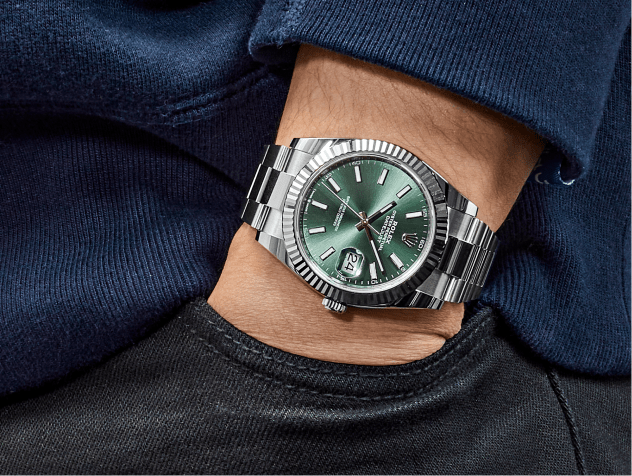
The watches most closely associated with Wrist Aficionado are not obscure specialist pieces that need pages of explanation. They are the names that already carry global recognition and visible demand. That matters because a business like this thrives when inventory is immediately legible to the client walking through the door. Recognition shortens the distance between desire and decision.
The brand world built around those watches is equally legible. High-polish imagery, direct language around buying and selling, and a showroom that presents itself almost as an extension of luxury travel all support the same commercial idea: this is a business designed for clients who do not want to spend months converting interest into access.
In that sense, the business is not only selling stock. It is selling a mode of acquisition that feels contemporary to a certain kind of buyer: fast, visible, international and uncomplicated in tone even when the purchase itself is highly considered. That clarity is part of what gives the Miami operation its own editorial shape.
Why The Business Has Editorial Value
What gives Wrist Aficionado lasting editorial value is not only that it sells desirable watches. It is that it helps explain a broader shift in luxury behaviour. Clients at the top end increasingly expect access, setting and fluency to arrive together. The secondary market is no longer read only through caution or opportunism. In some hands it is being turned into a full luxury-service environment.
That is why Wrist Aficionado Miami works best as a brand-world story shaped by setting, access and product clarity. The more useful reading is that the showroom captures a current luxury instinct with unusual clarity: if the watch is right, the setting should feel right as well, and the path to acquisition should feel immediate rather than procedural.
Seen in that light, the business becomes a case study in how the secondary market has learned to borrow the codes of luxury hospitality without giving up the velocity that made it attractive in the first place.
Q&A
What makes the Wrist Aficionado Miami showroom unique?
The Wrist Aficionado Miami showroom, located inside The Setai, distinguishes itself by offering immediate access to a live inventory of highly sought-after watches from brands like Rolex, Patek Philippe, Audemars Piguet, and Richard Mille. This focus on in-person appointments and readily available stock creates a curated and urgent experience, setting it apart from typical secondary-market listings.
How does the Setai location enhance the Wrist Aficionado experience?
The Setai location provides Wrist Aficionado with a significant visual and commercial advantage. Purchasing a watch in this environment transforms the transaction from a simple errand into part of a broader luxury experience. This appeals to clients who value discretion, speed, and a sophisticated atmosphere, aligning with the prestige of the watches themselves.
What type of client is Wrist Aficionado targeting?
Wrist Aficionado caters to clients who prioritize immediate access over the traditional authorized dealer experience, including waiting lists. They are targeting individuals who want to quickly acquire a specific watch that is not readily available through official channels. The showroom’s focus on presence, access, and a luxurious setting reinforces this appeal.