



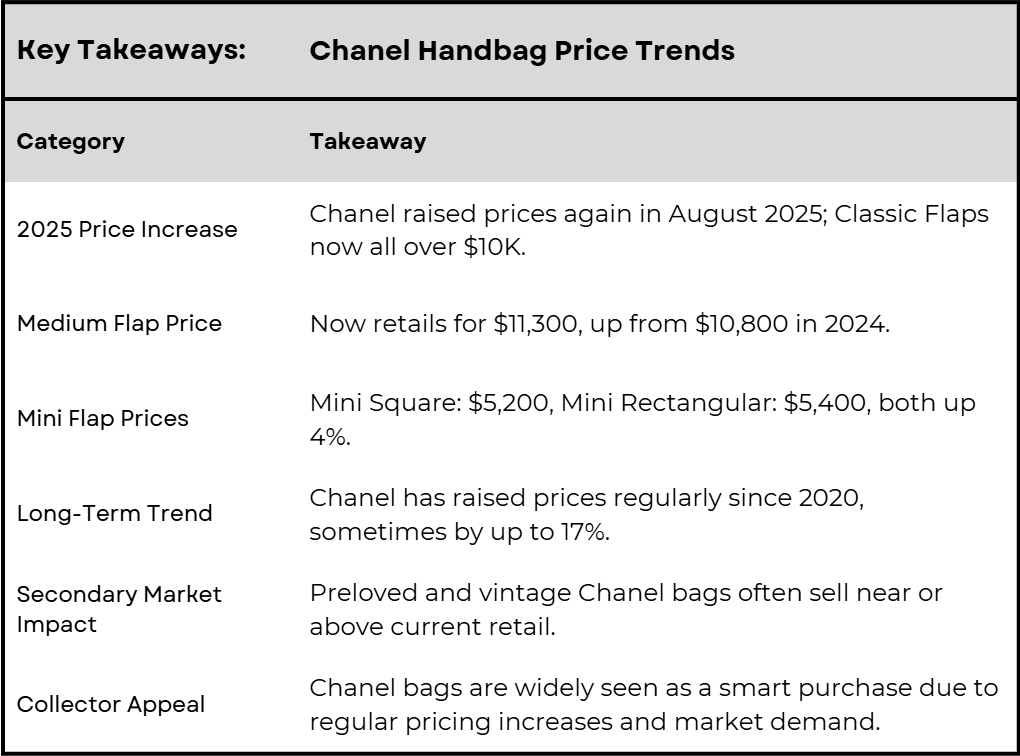
The world of haute couture is a delicate balance of artistic expression, heritage, and astute market strategy. For discerning collectors and connoisseurs, the anticipation surrounding potential Chanel price increases 2026 is more than mere speculation; it is a critical consideration for value preservation and strategic acquisition. As Chanel continues to solidify its position at the pinnacle of luxury, understanding the intricate factors that drive its pricing decisions becomes paramount for those who view their pieces not just as fashion statements, but as tangible investments.
- Essential Chanel: Craftsmanship as the Bedrock of Value
- Decoding Chanel’s Artistic Evolution: The Fall 2026 Collection and Market Impact
- Safeguarding Your Investment: The Art of Authentication and Pristine Condition
- Iconic Silhouettes: Cornerstones of Value Preservation
- The Secondary Market Landscape: Navigating Value Retention Amidst Anticipated Shifts
- Strategic Collecting: Preparing for Chanel Price Increases 2026
- Conclusion: Chanel’s Enduring Legacy and the Collector’s Journey
LuxeDigital.it delves into the nuanced landscape of Chanel’s market dynamics, exploring how the brand’s unwavering commitment to pristine craftsmanship, iconic silhouettes, and artistic innovation underpins its enduring value, even amidst expected market adjustments. This guide aims to bridge the gap between runway artistry and the pragmatic utility of investment, offering insights into how collectors can navigate future shifts.
Essential Chanel: Craftsmanship as the Bedrock of Value
At the heart of Chanel’s unparalleled market retention lies its relentless pursuit of perfection in craftsmanship. Each piece, from the iconic Classic Flap bag to the meticulously tailored tweed jacket, is a testament to centuries-old artisanal techniques fused with contemporary innovation.
Consider the signature quilting on a lambskin or caviar leather bag: the diamond pattern is not merely decorative but a structural element, ensuring the bag’s form and longevity. The stitching, often with 10-12 stitches per inch, is remarkably uniform and tight, a hallmark of hand-finished quality that prevents fraying and maintains the bag’s integrity over decades. This level of detail extends to the hardware, where the weight, finish, and precise engraving of the interlocking CCs or the Mademoiselle lock speak volumes about authenticity and superior production standards.
These tangible elements of quality are not just aesthetic; they are the fundamental reasons why Chanel pieces command such high prices and retain their value so effectively. The investment in time, skill, and premium materials directly translates into a product that resists the ephemeral nature of trends, becoming a timeless heirloom.
Decoding Chanel’s Artistic Evolution: The Fall 2026 Collection and Market Impact
Chanel’s artistic direction plays a pivotal role in shaping its desirability and, consequently, its market value. The Fall 2026 Ready-to-Wear collection, as highlighted by Vogue, showcases a continued refinement of the brand’s language, with designers like Matthieu Blazy channeling the spirit of Coco Chanel while pushing contemporary boundaries.
This ongoing metamorphosis, where heritage meets avant-garde, ensures that Chanel remains relevant and coveted by new generations of luxury consumers. The runway presentations are not just fashion shows; they are carefully orchestrated narratives that reinforce the brand’s exclusivity and artistic prowess, justifying its premium pricing strategy.
When a collection is lauded for its innovative textiles, intricate embellishments, or reimagined silhouettes, it creates a ripple effect across the entire brand’s offerings. The perceived artistic value of new collections often sets a benchmark that influences the pricing of existing and future pieces, making the Fall 2026 collection a significant indicator of the brand’s trajectory and the potential for Chanel price increases 2026.
The Interplay of Runway Art and Investment Utility
The artistic vision presented on the runway directly impacts the investment utility of Chanel pieces. Limited edition items or those featuring unique materials from a celebrated collection often see accelerated appreciation on the secondary market. Collectors who understand the nuances of these artistic statements are better positioned to identify pieces with strong future value.
The meticulous detailing, from the choice of exotic leathers to the bespoke buttons and chains, elevates these items beyond mere accessories to wearable art. This artistic integrity, combined with the brand’s strategic scarcity, ensures that Chanel remains a coveted asset in any luxury portfolio.
Safeguarding Your Investment: The Art of Authentication and Pristine Condition
For any collector, the ability to authenticate a Chanel piece is paramount to preserving its value. The secondary market is rife with counterfeits, making a keen eye for detail and knowledge of the brand’s specific markers essential. Authentication begins with the serial number, typically found on a hologram sticker inside the bag, which corresponds to an authenticity card.
These serial numbers, which evolved from 6 to 8 digits over time, are crucial for dating a bag and verifying its legitimacy. Beyond the numbers, the quality of materials is unmistakable: genuine Chanel leather, whether lambskin or caviar, possesses a distinct scent, texture, and pliability that fakes rarely replicate. The hardware, from the weight of the chain straps to the precision of the CC turn-lock, should feel substantial and operate smoothly.
Stitching is another critical indicator; authentic Chanel bags feature tight, even stitches, often with a higher stitch count per inch than replicas. The alignment of the quilting pattern, particularly across flaps and pockets, should be near-perfect. Maintaining a piece in pristine condition—free from scuffs, stains, or structural damage—is equally vital, as condition directly correlates with resale value. A well-preserved piece with verifiable authenticity will always command a premium, especially in a market anticipating future price adjustments.
Iconic Silhouettes: Cornerstones of Value Preservation
Certain Chanel silhouettes have transcended fashion trends to become timeless icons, consistently demonstrating exceptional value retention and often appreciation. The 2.55 Reissue, designed by Coco Chanel herself, and the Classic Flap, reimagined by Karl Lagerfeld, are prime examples.
Their enduring appeal lies in their perfect blend of functionality, elegance, and historical significance. The Boy Bag, a more recent classic, and the Chanel 19, with its distinct mixed metal hardware, have also quickly established themselves as highly sought-after investment pieces.
These bags, along with the classic tweed jacket, represent the core of Chanel’s design philosophy. Their consistent demand on both the primary and secondary markets ensures their resilience against economic fluctuations. Collectors focusing on these iconic pieces are making a strategic choice, as their proven track record of value appreciation makes them less susceptible to the volatility that might affect seasonal or less recognized designs.
The Secondary Market Landscape: Navigating Value Retention Amidst Anticipated Shifts
The secondary market for Chanel is a vibrant ecosystem, driven by global demand and the brand’s strategic control over supply. Anticipated Chanel price increases 2026 on the primary market often have a direct and positive impact on the resale value of existing pieces.
As new bags become more expensive, the demand for pre-owned, well-maintained items intensifies, pushing up their prices. This phenomenon transforms Chanel bags into tangible assets, often outperforming traditional investments in certain periods.
Platforms specializing in luxury resale meticulously grade items based on condition, authenticity, and rarity, providing transparent pricing that reflects current market sentiment. For collectors, understanding these dynamics means recognizing that a Chanel purchase is not merely an expense but a potential store of wealth, particularly for classic styles in excellent condition.
Strategic Collecting: Preparing for Chanel Price Increases 2026
For the astute collector, preparing for potential Chanel price increases in 2026 involves a multi-faceted approach. Firstly, prioritize iconic silhouettes and classic colorways, as these consistently demonstrate the strongest long-term value retention. Secondly, invest in pieces crafted from durable materials like caviar leather, which is more resistant to wear and tear than delicate lambskin, thus preserving condition and value.
Thirdly, meticulous care and storage are non-negotiable. Keeping original dust bags, boxes, and authenticity cards intact significantly enhances resale value. Finally, stay informed about market trends and the brand’s artistic direction, as showcased in collections like Fall 2026, to anticipate which pieces might become future collector’s items.
By combining a passion for fashion with a strategic, investment-minded approach, collectors can ensure their Chanel acquisitions remain not only cherished possessions but also valuable assets in an ever-evolving luxury market.
Conclusion: Chanel’s Enduring Legacy and the Collector’s Journey
Chanel stands as a beacon of enduring luxury, where artistic vision, unparalleled craftsmanship, and strategic market positioning converge to create pieces that transcend fleeting trends. The anticipation of Chanel price increases in 2026 underscores the brand’s unwavering commitment to exclusivity and its status as a premier investment in the world of fashion.
For collectors, this journey is one of informed passion, where an appreciation for runway artistry meets a pragmatic understanding of value preservation. By focusing on authenticity, pristine condition, and iconic designs, one can confidently navigate the evolving landscape of luxury, ensuring that each Chanel acquisition remains a testament to timeless elegance and a wise investment for generations to come.