



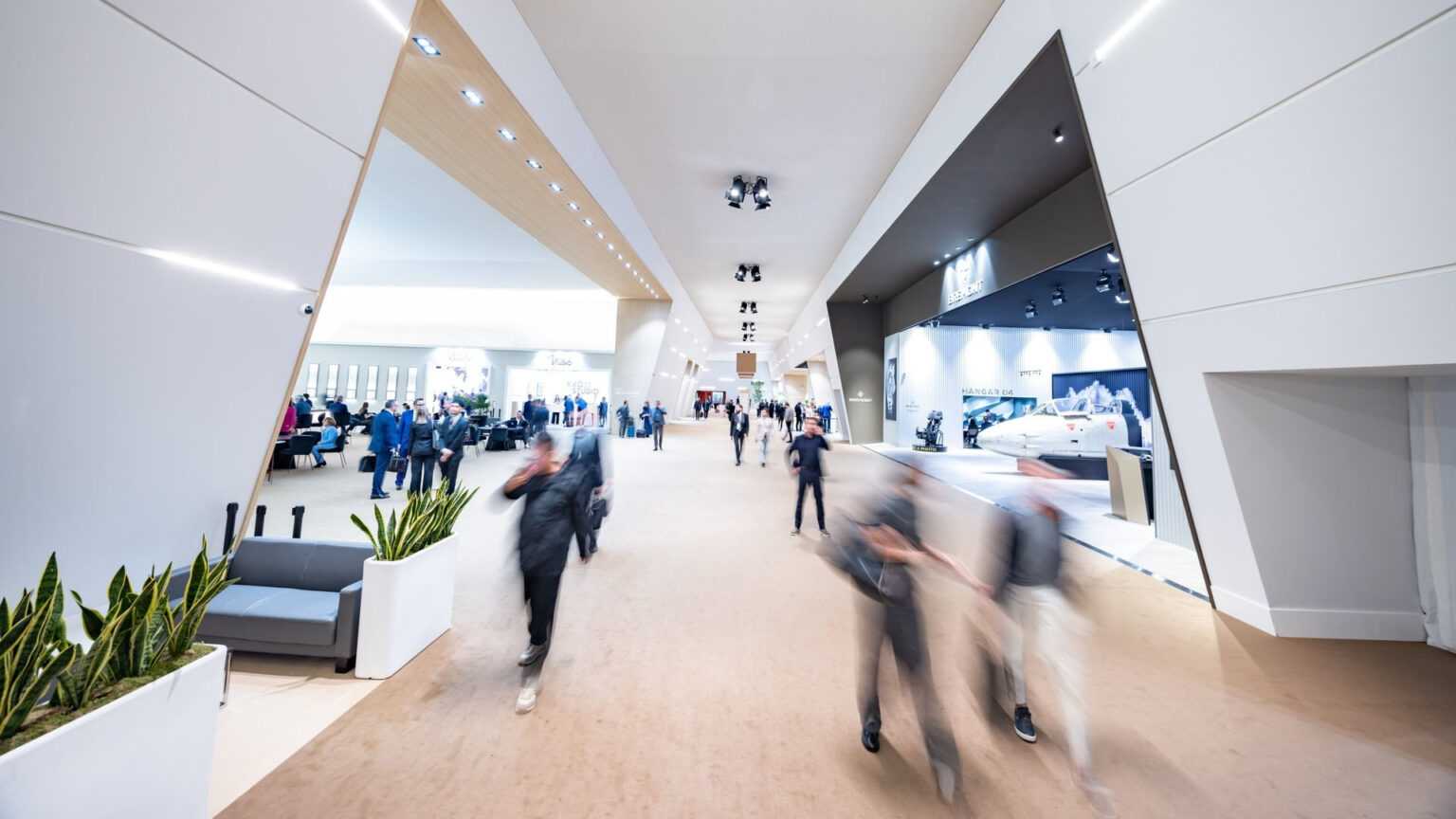
The horological world has once again converged and dispersed from Geneva, leaving in its wake a tapestry of innovation, heritage, and strategic market positioning. Our post-show analysis of Watches & Wonders 2026 investment opportunities reveals a nuanced landscape, where discerning collectors must navigate both established titans and burgeoning independent ateliers. This report delves into the key trends and specific exemplars that are poised to define the investment trajectory in the coming fiscal year.
- Ultimate Horology: Investment Drivers in High Horology
- Innovative Dive Watch Construction and Market Impact
- Ceramic Materials and Limited Edition Collectibility
- Vintage Rarities and the Secondary Market Dynamics
- The Ascension of Independent Watchmaking
- Market Sentiment and Collector Preferences Post-2025
- Conclusion: Navigating the Post-Show Investment Landscape
Understanding the intricate interplay of technical prowess, material science, and market sentiment is paramount for making informed decisions in this high-stakes arena. We examine the releases and broader market signals that emerged around the Watches & Wonders 2026 period, offering a comprehensive outlook for the astute collector.
Ultimate Horology: Investment Drivers in High Horology
The enduring allure of high horology remains a cornerstone for long-term investment, a sentiment underscored by recent industry movements such as the push for more high horology at Germany’s top jewelry fairs. This focus on intricate craftsmanship and mechanical sophistication transcends fleeting trends, offering a robust foundation for value appreciation. Collectors are increasingly seeking timepieces that represent the pinnacle of watchmaking artistry, characterized by complex calibers and meticulous hand-finishing.
Investment-grade high horology pieces typically feature grand complications such as minute repeaters, tourbillons, perpetual calendars, and split-seconds chronographs. The intrinsic value is derived not merely from precious metals but from the thousands of hours of skilled labor and intellectual property embedded within the movement. Brands with a proven track record of innovation and a commitment to traditional artisanal techniques consistently command premium prices in both primary and secondary markets.
Consider the intricate architecture of a multi-axis tourbillon, designed to counteract gravitational effects on the escapement, or the melodic precision of a minute repeater, striking the time on demand. These are not merely functional enhancements but demonstrations of mechanical genius that resonate deeply with collectors. The rarity of such complications, often produced in extremely limited series, further bolsters their investment potential, creating a competitive environment for acquisition.
Furthermore, the provenance and historical significance of a high horology piece can significantly influence its market value. A timepiece from a celebrated watchmaker or one with a unique historical narrative often sees its value amplified at auction. The meticulous documentation of service history and original components also plays a critical role in preserving and enhancing the investment profile of these exceptional instruments.
The market for these masterpieces is driven by a global cohort of sophisticated collectors who understand the profound difference between mass-produced luxury and true haute horlogerie. Their pursuit of mechanical perfection and artistic expression ensures a vibrant and resilient segment of the watch market, making high horology a compelling area for strategic Watches & Wonders 2026 investment considerations.
Innovative Dive Watch Construction and Market Impact
The dive watch segment, perennially popular, continues to evolve with significant innovations in construction and design. A notable example emerging around the Watches & Wonders 2026 period is the Kurono Tokyo ‘Diver’s’, which introduces a “Two-in-One Reimagining Of Dive Watch Case Construction.” This approach signifies a broader trend towards enhanced functionality, durability, and aesthetic distinctiveness within a highly competitive category.
Traditional dive watches are defined by their robust cases, unidirectional bezels, and superior water resistance, typically rated to 200 meters or more. The Kurono Tokyo ‘Diver’s’ innovation suggests a modular or integrated design that potentially improves structural integrity, reduces overall thickness, or offers novel aesthetic configurations. Such advancements are critical for differentiating new releases in a saturated market and attracting collectors seeking both performance and unique design language.
From an investment perspective, dive watches with innovative construction or limited production runs often perform well. The market values watches that push boundaries while retaining the core tenets of the category. Key specifications like water resistance (e.g., 300m, 500m), case material (e.g., stainless steel, titanium, bronze), and the caliber powering the movement are crucial determinants of long-term appeal. A reliable, robust automatic movement, often an ETA or Sellita base caliber modified in-house, is expected.
The “two-in-one” concept could imply a reversible case, interchangeable components, or a unique layering system that enhances both resilience and versatility. This ingenuity appeals to collectors who appreciate engineering prowess alongside horological artistry. Brands that successfully merge these elements often see their creations become highly sought-after, particularly if production numbers are controlled, fostering scarcity.
The secondary market for innovative dive watches, especially from independent brands like Kurono Tokyo, can be dynamic. Initial retail prices may be accessible, but strong demand and limited supply can lead to significant appreciation. Collectors should scrutinize the technical specifications, the quality of finishing, and the brand’s reputation for reliability when evaluating such pieces for their investment portfolio. The enduring utility and rugged aesthetic of dive watches ensure their continued relevance and desirability.
Ceramic Materials and Limited Edition Collectibility
The adoption of advanced materials, particularly ceramic, continues to be a significant trend influencing both design and durability in contemporary watchmaking. De Rijke & Co.’s launch of three special edition Amalfi designs in ceramic, presented with live pictures, exemplifies this shift. Ceramic offers distinct advantages over traditional metals, including exceptional scratch resistance, lightweight properties, and a unique aesthetic depth that can be achieved through various finishing techniques.
From an investment standpoint, watches crafted from ceramic, especially in limited editions, often present compelling opportunities. The material’s inherent properties contribute to the longevity and pristine appearance of the timepiece, which is a crucial factor for collectors. Unlike metals, ceramic does not oxidize or corrode, maintaining its original finish over decades. The manufacturing process for ceramic cases is complex and costly, often involving high-temperature sintering and precise machining, which adds to the perceived value and exclusivity.
De Rijke & Co.’s collaboration on these Amalfi designs further highlights the appeal of unique partnerships and limited production. Collaborations often infuse a watch with a distinct narrative and design perspective, making it more desirable to collectors. The scarcity inherent in “special edition” releases naturally drives demand, particularly when the design is compelling and the brand has a growing reputation for quality and innovation.
Collectors evaluating ceramic watches for investment should consider the specific type of ceramic used (e.g., zirconium dioxide, silicon nitride), the complexity of the case architecture, and the overall integration of the material with the movement and dial. The aesthetic versatility of ceramic, allowing for a wide spectrum of colors beyond traditional black, also contributes to its appeal, enabling brands to create visually striking and unique timepieces.
The market has shown a strong appetite for ceramic timepieces from both established maisons and independent brands. While initial market performance can vary, well-executed ceramic limited editions with strong design language and robust movements tend to hold or appreciate in value. The combination of cutting-edge material science and controlled production numbers positions these watches as attractive propositions for the discerning collector seeking both innovation and exclusivity.
Vintage Rarities and the Secondary Market Dynamics
The secondary market for vintage timepieces continues to be a vibrant and critical component of the overall horological investment landscape, offering profound insights into enduring value. The “Bring a Loupe” segment, highlighting pieces like an Audemars Piguet VZ SSC and a Girard-Perregaux ‘Playboy’, underscores the sustained interest in historically significant and rare watches. These examples are not merely old watches; they are artifacts of horological evolution, often featuring unique calibers, distinctive design elements, and compelling provenance.
The Audemars Piguet VZ SSC, for instance, likely refers to a specific vintage caliber or series, known for its technical excellence and rarity. Audemars Piguet’s heritage is replete with groundbreaking movements, and specific references from earlier eras, particularly those with unique complications or limited production, consistently achieve remarkable results at auction. The VZ SSC designation points to a specific movement architecture or a series of calibers that were foundational to AP’s reputation for high horology. Such pieces are valued for their mechanical integrity, historical context, and the brand’s unwavering commitment to craftsmanship.
Similarly, a Girard-Perregaux ‘Playboy’ watch speaks to the cultural resonance and unique collaborations that can elevate a timepiece beyond its intrinsic mechanical value. Girard-Perregaux, with its rich history dating back to 1791, has produced numerous iconic watches. A ‘Playboy’ reference would likely be a co-branded or specially commissioned piece, appealing to collectors interested in both horological history and cultural memorabilia. The rarity of such collaborations, combined with the brand’s heritage, can drive significant market interest.
Investment in vintage watches demands meticulous research into authenticity, originality of components, and condition. A watch with its original dial, hands, and movement components, coupled with documented service history and provenance, will always command a premium. Auction results from leading houses like Christie’s, Sotheby’s, and Phillips consistently demonstrate that exceptional vintage pieces, particularly those from the “Holy Trinity” (Audemars Piguet, Patek Philippe, Vacheron Constantin) and other esteemed marques, can achieve exponential appreciation over time.
The market for vintage rarities is less susceptible to immediate market fluctuations seen in contemporary releases, instead relying on a steady appreciation driven by historical significance, scarcity, and the enduring appeal of classic design. For collectors considering Watches & Wonders 2026 investment strategies, understanding the dynamics of the vintage market provides a crucial counterpoint and diversification opportunity, emphasizing the timeless value of horological heritage. Hodinkee’s “Bring a Loupe” series consistently highlights these market treasures.
The Ascension of Independent Watchmaking
The landscape of haute horlogerie is increasingly shaped by the innovative spirit and distinct vision of independent watchmakers. Brands like Kurono Tokyo and De Rijke & Co., highlighted in recent industry coverage, exemplify this ascension. These ateliers, often led by visionary founders, offer a refreshing alternative to the established maisons, focusing on unique design philosophies, artisanal craftsmanship, and often, more direct engagement with their collector base.
Independent brands frequently push boundaries in design, material application, and mechanical innovation, unburdened by the extensive heritage or corporate structures of larger groups. The Kurono Tokyo ‘Diver’s’ with its “Two-in-One Reimagining Of Dive Watch Case Construction” and De Rijke & Co.’s ceramic Amalfi designs are prime examples of this creative freedom. These innovations not only capture attention but also offer tangible advancements in watchmaking, appealing to collectors who seek originality and technical ingenuity.
From an investment perspective, independent watchmakers can offer significant upside. Their limited production numbers, often due to the intensive handcraft involved, create inherent scarcity. This exclusivity, combined with a strong narrative and a growing reputation for quality, can lead to rapid appreciation on the secondary market. Early acquisitions of pieces from promising independents have historically yielded substantial returns, as these brands gain wider recognition and their historical significance solidifies.
Collectors interested in this segment for Watches & Wonders 2026 investment should meticulously research the brand’s founder, their horological philosophy, the quality of their movements (whether in-house or highly modified base calibers), and their commitment to after-sales service. The community around independent brands is often passionate and well-informed, providing valuable insights into market sentiment and future potential. The direct relationship many independents foster with their clients also adds a layer of personal connection that is highly valued.
The appeal of independent watchmaking lies in its ability to offer something truly unique and personal in a world often dominated by mass-produced luxury. These brands represent the future of horological innovation while often paying homage to traditional techniques. Their growing influence is undeniable, making them a crucial consideration for any forward-thinking investment portfolio in fine watches.
Market Sentiment and Collector Preferences Post-2025
Reflecting on the horological landscape of 2025 provides crucial context for understanding market sentiment and collector preferences influencing Watches & Wonders 2026 investment decisions. Insights from industry discussions, such as “Watchmaking In 2025: A Conversation With Wrist Check Pod At UBS House Of Craft,” and personal reflections like “The Watch I Wore Most In 2025,” reveal a nuanced shift in collector priorities.
A significant trend observed is a move towards more considered collecting. While hype-driven acquisitions still exist, there’s a growing appreciation for intrinsic value, technical merit, and personal connection to a timepiece. Collectors are increasingly seeking watches that resonate with their individual tastes and lifestyles, rather than solely chasing perceived market trends. This manifests in a greater openness to diverse brands, including independents, and a deeper dive into the specific craftsmanship and history behind each piece.
The “Watch I Wore Most In 2025” video suggests a preference for versatility, comfort, and understated elegance in daily wear, even among those with extensive collections. This doesn’t diminish the appeal of grand complications or statement pieces, but it highlights a practical dimension to collecting. Watches that offer robust performance, ergonomic design, and a timeless aesthetic are gaining traction for their enduring appeal and wearability.
Furthermore, the conversation around “Watchmaking In 2025” indicates a continued emphasis on transparency, sustainability, and ethical practices within the industry. Brands that demonstrate a commitment to responsible sourcing, in-house manufacturing, and long-term service support are likely to build stronger trust and loyalty with collectors. These intangible factors, while not directly tied to mechanical specifications, contribute significantly to a brand’s reputation and the perceived value of its products.
The market is also showing a sustained interest in watches that tell a story, whether through historical significance, innovative material use, or unique design collaborations. This narrative element adds an emotional layer to the investment, making a timepiece more than just an asset. For Watches & Wonders 2026 investment, understanding these evolving preferences is key to identifying watches that will not only hold their value but also provide profound personal satisfaction to their owners. The market is maturing, favoring substance and authenticity over fleeting fads.
Conclusion: Navigating the Post-Show Investment Landscape
The Watches & Wonders 2026 period has reinforced several critical tenets for successful horological investment. The enduring value of high horology, characterized by intricate complications and artisanal finishing, remains paramount. Simultaneously, the market demonstrates a robust appetite for innovation, as seen in advanced material applications like ceramic and novel construction techniques in categories such as dive watches.
The ascendance of independent watchmakers, offering unique perspectives and limited production, presents compelling opportunities for astute collectors. Concurrently, the vintage market continues to thrive, with historically significant pieces from esteemed brands like Audemars Piguet and Girard-Perregaux proving their long-term appreciation potential. Navigating this dynamic landscape requires a blend of technical understanding, market awareness, and a discerning eye for both heritage and innovation. The most successful Watches & Wonders 2026 investment strategies will be those that balance these diverse elements, focusing on intrinsic quality, rarity, and enduring appeal.